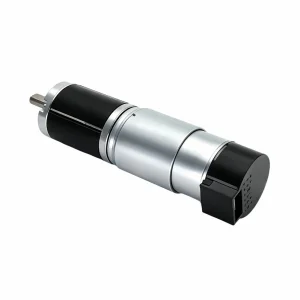
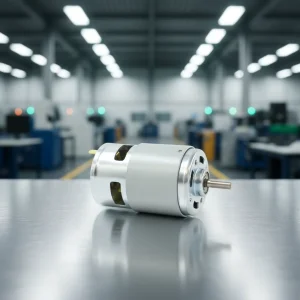
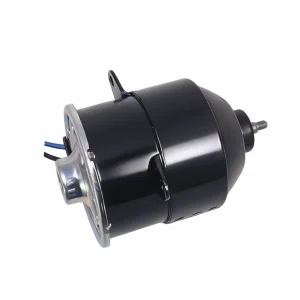
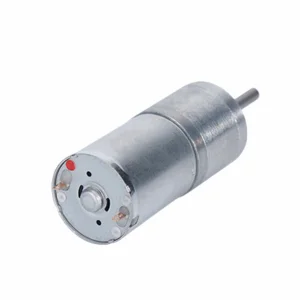
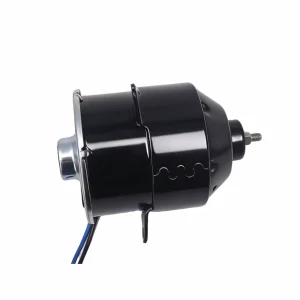
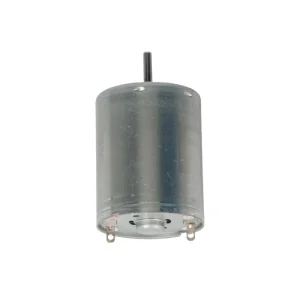
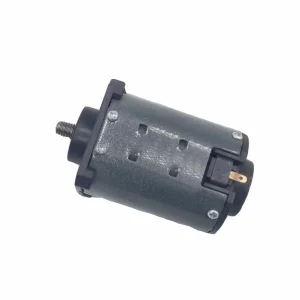
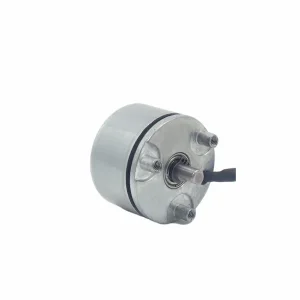
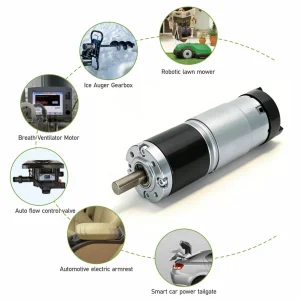
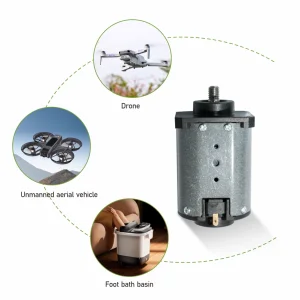
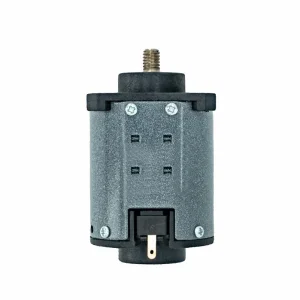
High-reliability motors and components engineered to drive industrial flow control valves, positioners, and modern pneumatic assemblies.
In the modern landscape of factory automation and process industries, the debate between purely mechanical systems and electrical actuators has evolved into a strategic integration. Pneumatic cylinders remain the undisputed workhorse for applications requiring high speed, structural robustness, and cost-effective linear force delivery. However, the next generation of automation demands intelligent feedback, variable flow velocity, and smart control interfaces. This has created a critical dependency: high-performance pneumatic systems must be paired with precision micro-electromechanical components, such as solenoid valves, electronic regulators, and positioners driven by advanced DC and BLDC motors.
For procurement officers, finding the right synergy means looking at the top suppliers in China who possess advanced engineering capabilities. The integration of precision micro drives and pneumatic manifolds allows factories to implement closed-loop control systems. Whether it is adjusting the pilot pressure inside a proportional valve or regulating air-supply pipelines in large-scale packaging systems, the coordination between electrical rotation and pneumatic pressure is what defines modern manufacturing productivity.
Seamless coupling of high-torque micro DC motors with pneumatic control valves to achieve micro-second response rates in industrial automated assemblies.
Adherence to global standardized cylinder footprints including ISO 15552, ISO 6432, and VDMA 24562, ensuring painless drop-in retrofits.
Deployment of low-friction polyurethane (PU), Viton (FKM), and NBR elastomer seals to guarantee over 5,000 kilometers of total stroke lifetime.
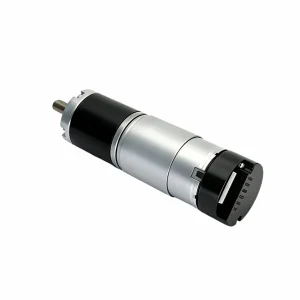
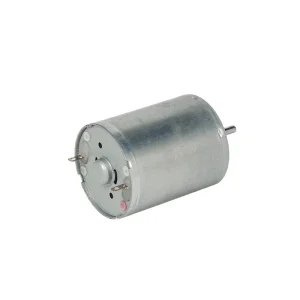
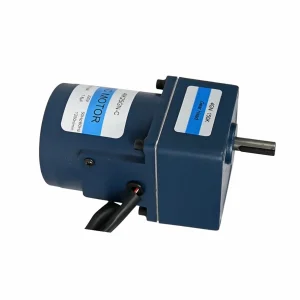
At AxisPro, we believe that the trend toward miniaturization shouldn't mean a compromise in power. As a premier manufacturer specializing in high-performance Micro DC Motors, DC Gear Motors, and Brushless DC Motors (BLDC), we have spent twenty years mastering the science of miniature motion control. The word Axis represents the literal and figurative center of everything we build; Pro dictates our uncompromised standard of industrial engineering.
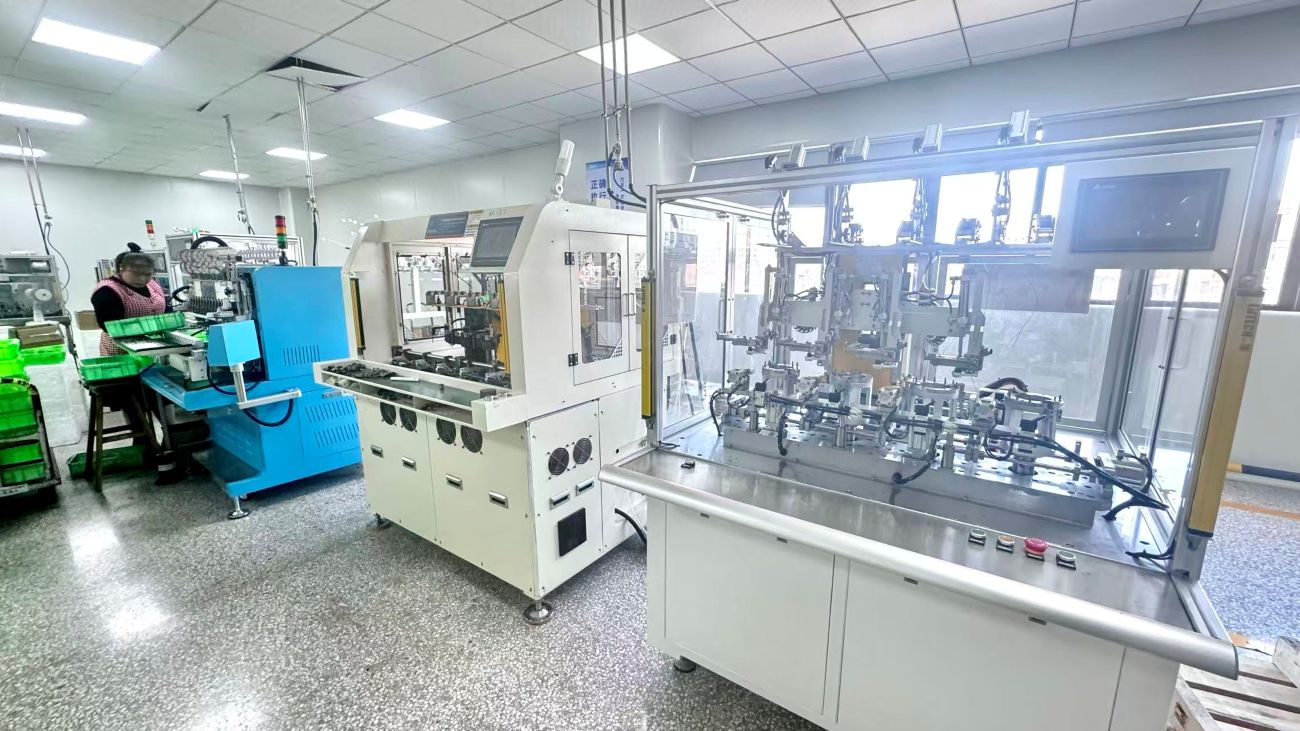
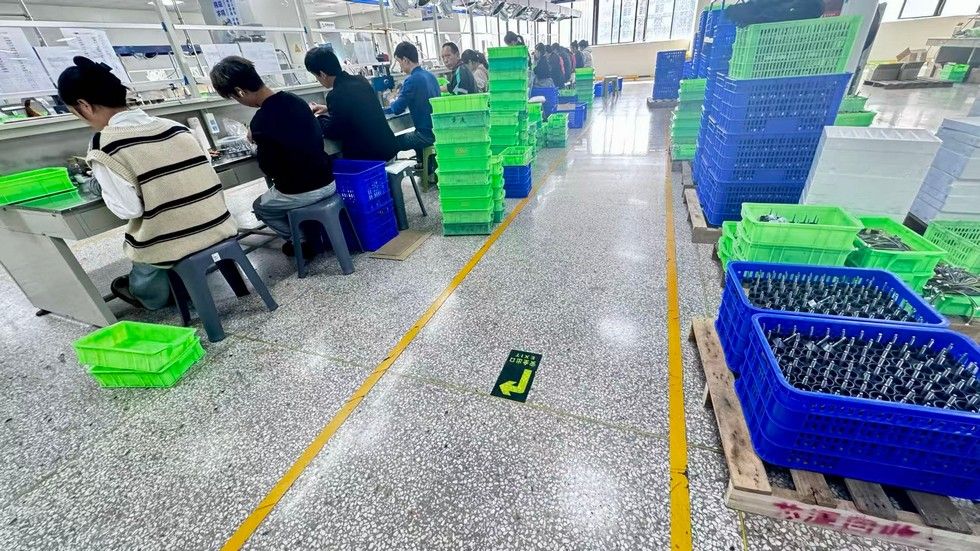
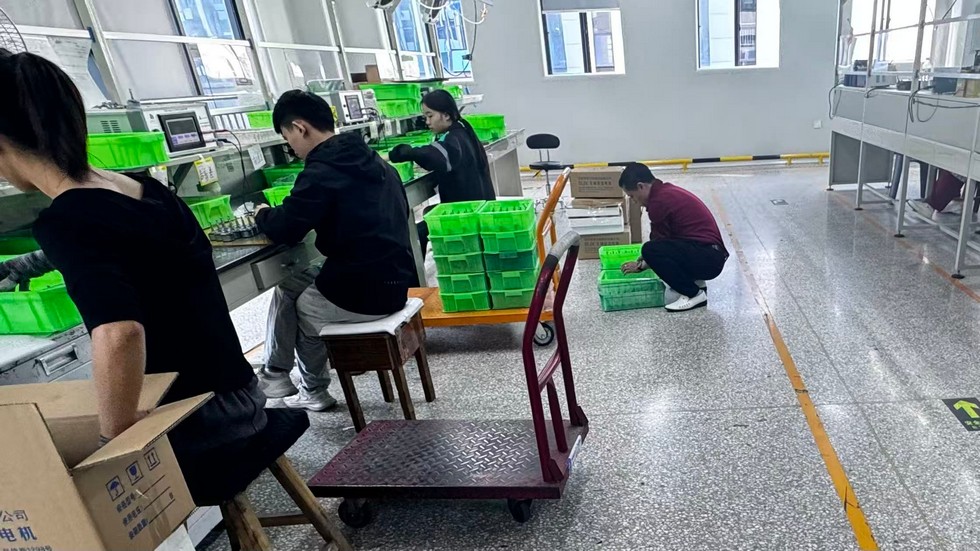
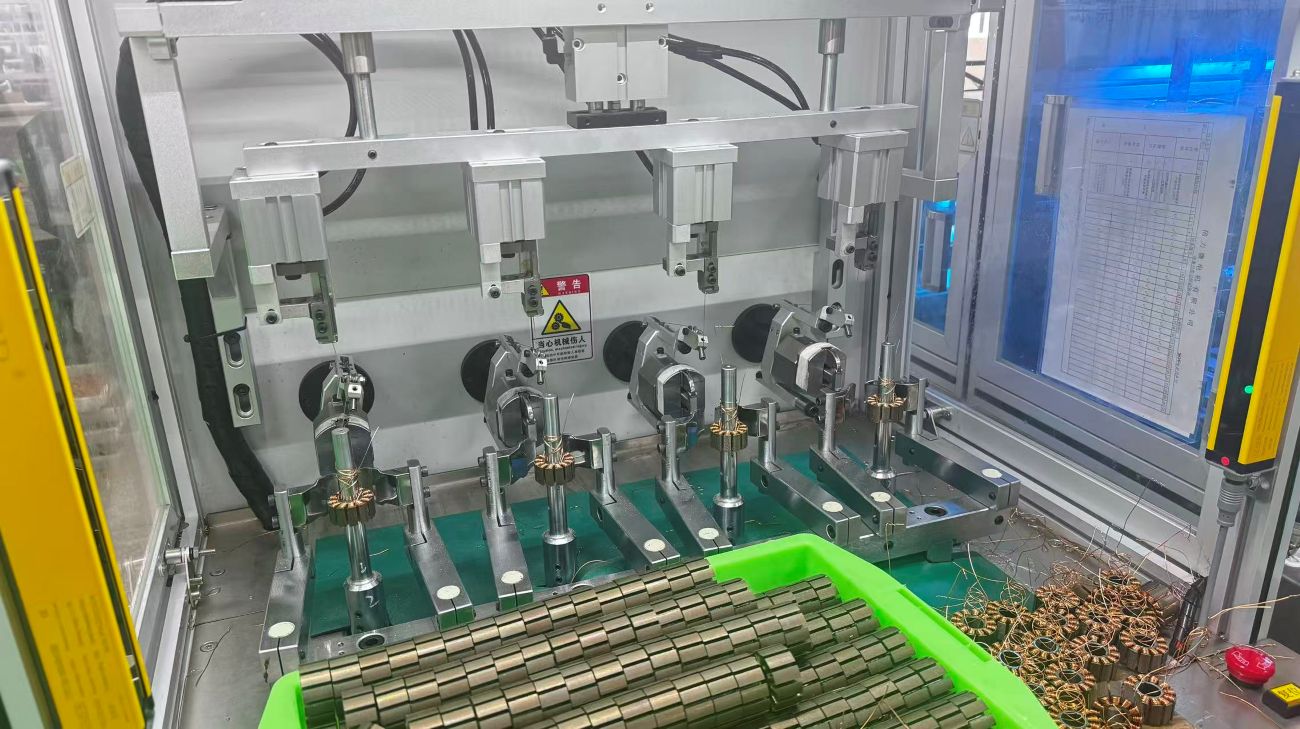
From our state-of-the-art, ISO9001-certified manufacturing facility, AxisPro bridges the gap between China’s supply chain efficiency and global technical standards. Our micro-drives are chosen globally by product designers and procurement managers in smart home automation, automotive electronics, medical hardware, and robotics for their exceptional power-to-size ratio, whispering-quiet acoustics, and ultra-long lifespans.
We don’t just stamp out standard components—AxisPro thrives on flexible OEM/ODM custom-engineered solutions. Powered by an elite in-house R&D team holding multiple drive-tech patents, we provide rapid prototyping and seamless technical collaboration. From specific voltage tuning and specialized gear ratios to custom shaft modifications, we engineer the precise axis around which your next innovation will revolve.


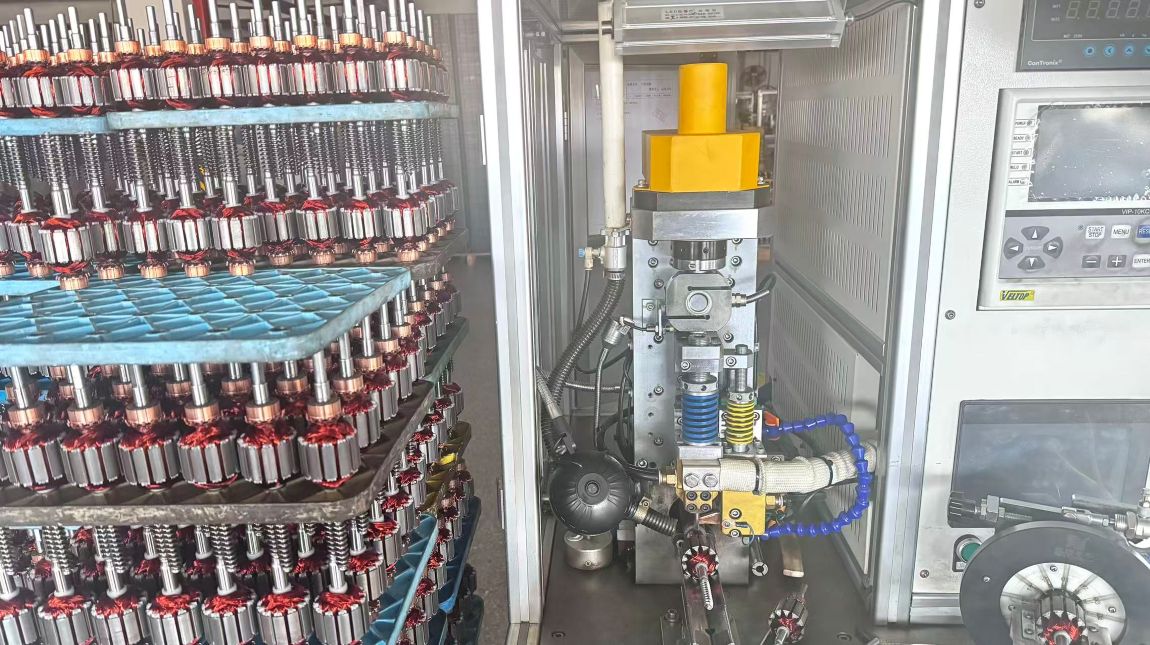
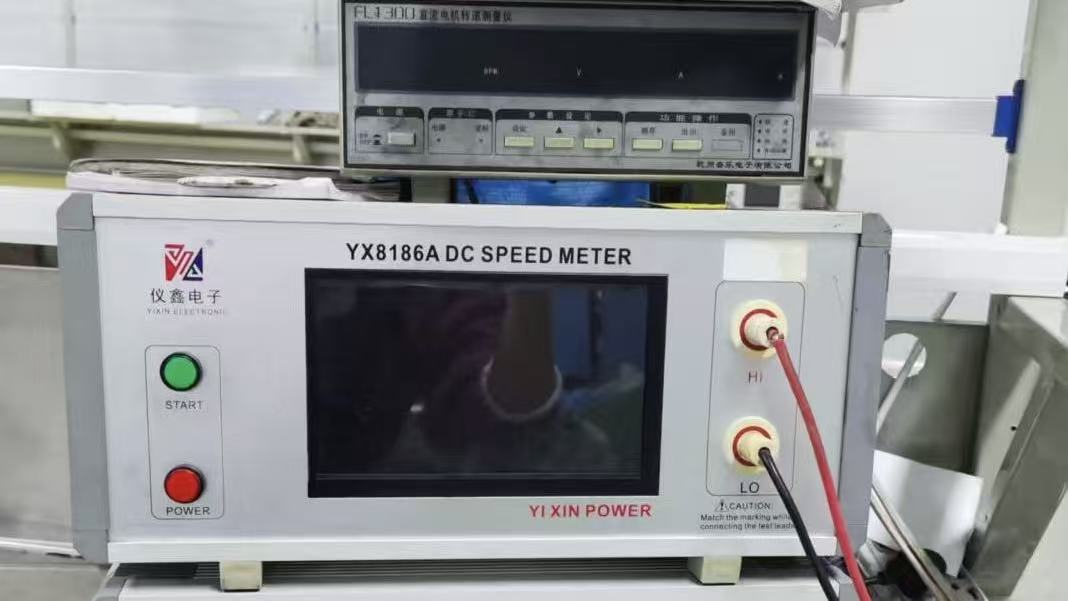
For automation system integrators and machine builders, selecting between a pneumatic cylinder and a linear electric actuator involves assessing velocity, load, cycle frequency, and operating environments. While electric actuators are preferred for complex multi-position indexing, pneumatic cylinders offer unparalleled power density, high cycle rates, and complete explosion-proof safety in hazardous zones.
The table below provides a decision-making comparison matrix to guide procurement engineers in optimizing operational efficiency and system budget allocations.
| Performance Parameter | Pneumatic Cylinder (Air Actuation) | Electric Actuator (Motor Actuation) | Key Procurement Considerations |
|---|---|---|---|
| Force Output Density | Extremely High; dependent on barrel bore size and supply pressure. | Moderate; constrained by motor stator volume and gear ratio limits. | Use pneumatics for high-impact thrust. |
| Velocity Performance | Up to 3,000 mm/s; highly explosive acceleration. | Typically < 1,500 mm/s; linear velocity profile. | Pneumatics excel in quick ejection and packaging. |
| Positioning Precision | End-of-stroke primary (unless utilizing closed-loop valve control). | Sub-micron precision; highly repeatable steps via encoders. | Electric actuators excel in variable multi-stop positioning. |
| Hazardous Environments | Inherent safety (ATEX zone approved; no sparks). | Requires costly explosion-proof containment boxes. | Pneumatics are optimal for chemical, dust, and washdown areas. |
| Initial Capital Cost | Low-to-moderate; simple mechanical components. | High; requires servo drivers, controllers, and wiring. | Pneumatics offer superior initial ROI. |
When sourcing pneumatic cylinders and valves from China, procurement departments must look beyond standard pricing sheets to evaluate raw-material reliability and manufacturing tolerances. China's pneumatic industrial clusters, concentrated heavily in regions like Zhejiang (Ningbo & Wenzhou) and Guangdong, represent over 70% of the world's pneumatic component export capacity. Leading factories utilize horizontal machining centers and high-speed CNC lathing to keep tolerances below 0.02mm, which directly minimizes wear on internal seals.
A critical quality indicator in pneumatic cylinder production is the piston rod treatment. Premium suppliers perform hard-chrome plating to a thickness of 20-30 microns and polish it to a surface roughness of Ra < 0.2 microns. This precise finishing prevents premature seal abrasion, ensuring consistent long-term performance. Additionally, look for manufacturers that implement 100% automated pressure decay testing on finished products to prevent any micro-leakage before export shipment.
Modern industrial systems rely heavily on pneumatic force combined with precision electrical control. Let's analyze how major global sectors integrate these technologies to optimize performance and reduce system downtime:
Deploying heavy-duty double-acting cylinders for body welding clamps, sheet metal positioning, and high-frequency clamping fixtures, operating under demanding thermal environments.
Utilizing corrosion-resistant stainless-steel round cylinders (ISO 6432) combined with food-grade grease to run automated sorting gates, bagging lines, and filling manifolds.
Integrating miniature pneumatic valves and micro BLDC positioning drives for non-contact fluid handling, laboratory diagnostics, and sterile analyzer assemblies.
Navigating global supply chains requires strict adherence to international shipping, import tariffs, and local safety standards. Sourcing pneumatic parts requires components that conform to local compliance mandates like CE (Europe), UL (North America), and RoHS/REACH chemical standards.
Reliable Chinese suppliers mitigate logistic delays by using heavy-duty export-grade plywood crates, moisture-absorbing desiccants, and vacuum plastic seal packaging to protect precision surfaces from salt spray during maritime transit. Establishing partnerships with regional distributors guarantees parts availability and reduces downtime through local warehouse programs.
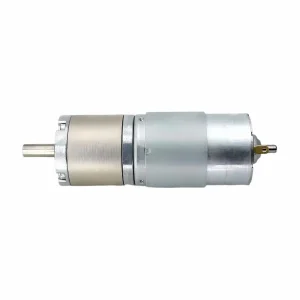
Explore our high-efficiency brushed, brushless, and planetary gear motors engineered for packaging, security, and medical devices.
 AxisPro Motor