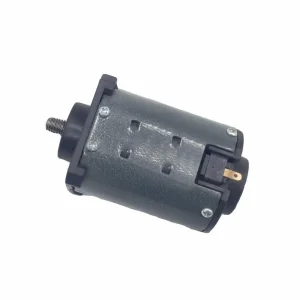
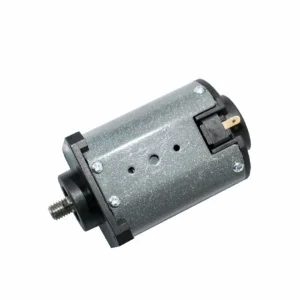
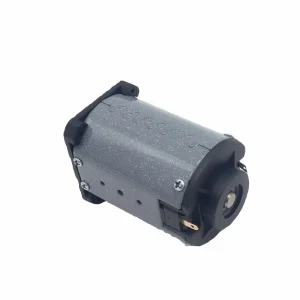
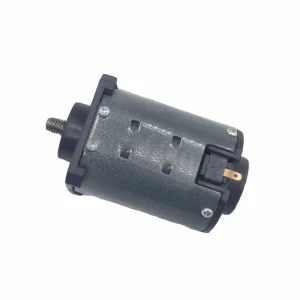
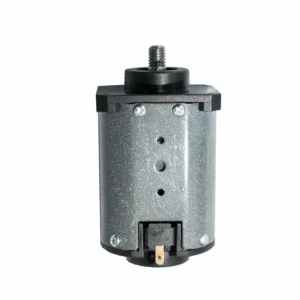
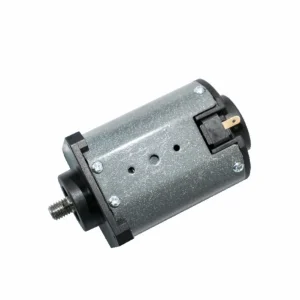
Engineered for high startup torque, customizable voltage profiles, and proven industrial reliability
Two Decades of Excellence in Designing and Manufacturing Miniature Drive Technology
At AxisPro, we believe that the trend toward miniaturization shouldn't mean a compromise in power. As a premier manufacturer specializing in high-performance Micro DC Motors, DC Gear Motors, and Brushless DC Motors (BLDC), we have spent twenty years mastering the science of miniature motion control. The word Axis represents the literal and figurative center of everything we build; Pro dictates our uncompromised standard of industrial engineering.
From our state-of-the-art, ISO9001-certified manufacturing facility, AxisPro bridges the gap between China’s supply chain efficiency and global technical standards. Our micro-drives are chosen globally by product designers and procurement managers in smart home automation, automotive electronics, medical hardware, and robotics for their exceptional power-to-size ratio, whispering-quiet acoustics, and ultra-long lifespans.
We don’t just stamp out standard components—AxisPro thrives on flexible OEM/ODM custom-engineered solutions. Powered by an elite in-house R&D team holding multiple drive-tech patents, we provide rapid prototyping and seamless technical collaboration. From specific voltage tuning and specialized gear ratios to custom shaft modifications, we engineer the precise axis around which your next innovation will revolve.
Why Carbon Brush DC Motors Remain Irreplaceable in Modern Mechanical Systems
Unlike BLDC motors which require complex electronic speed controllers (ESC), brushed DC motors operate via simple direct current application. This reduces system bill-of-materials (BOM) costs significantly.
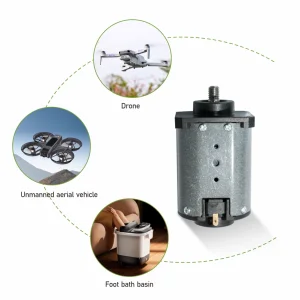
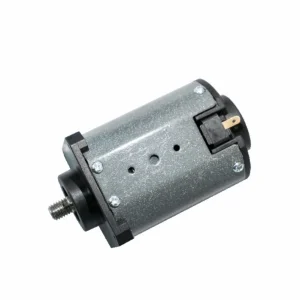
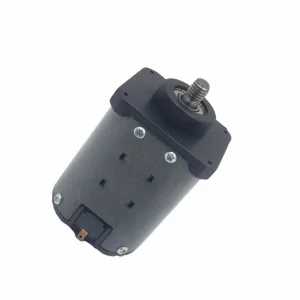
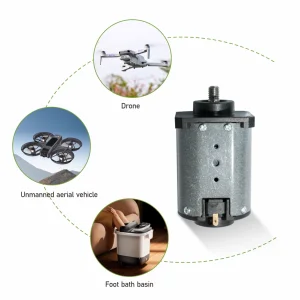
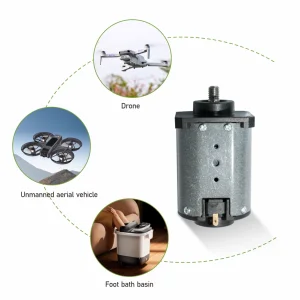
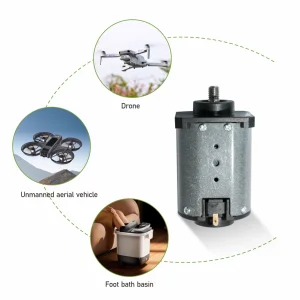
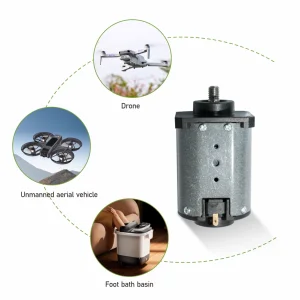
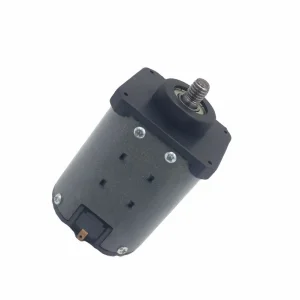
Carbon brush DC configurations excel in heavy load initialization, making them ideal for gearheads, pumps, actuators, and drone propulsion where instant speed adjustment is paramount.
Through variations in carbon brush metallurgy, copper winding turns, and shaft diameters, manufacturers can adapt brushed motors to extreme hot or cold thermal limits and varying voltages.
In B2B purchasing, selecting a Brush DC Motor Factory isn't just about obtaining the lowest price per unit; it is about ensuring electrical compatibility, mechanical tolerance limits, and operational lifespans match end-user demands. Today's global supply chain expects motors to work in demanding configurations, such as high-frequency PWM (Pulse Width Modulation) drive systems, where electrical noise (EMI) must be suppressed through integrated varistors or capacitors.
Whether it is a 7.4V micro motor powering miniature drones or a robust 220V unit driving heavy industrial machinery, understanding carbon-brush friction, commutation arcs, and thermal insulation ratings is what separates professional OEM design from commodity grade components.
Comparing Brushed DC Motor Configurations and Mechanical Parameters
Engineering a brushed DC motor requires balancing multiple physical and electrical boundaries. Below is a reference configuration chart showing the trade-offs in typical micro brushed systems:
| Motor Configuration Type | Typical Voltage Range | No-Load Speed Range | Commutation Brush Material | Primary Industrial Application | Lifespan Expectancy |
|---|---|---|---|---|---|
| Precious Metal Brushed | 1.5V - 12V DC | 1,500 - 15,000 RPM | Silver-palladium / Gold-alloy | Medical actuators, optical drives, portable electronics | High (low-current loads) |
| Carbon Graphite Brushed | 6.0V - 240V DC | 2,000 - 30,000 RPM | Copper-graphite / Carbon-resin | Power tools, UAVs, automotive actuators, water pumps | Ultra-High (high-current loads) |
| High-Torque Small Brushed | 12V - 220V DC | 3,000 - 6,000 RPM | Heavy-duty carbon compound | Smart home appliances, compact gear systems | Extended with maintenance access |
| Miniature Coreless Brushed | 3.7V - 7.4V DC | 10,000 - 40,000 RPM | Precious metal wire | Toy drones, dental equipment, high-speed micro-pumps | Moderate (optimized for speed) |
Step-by-step production verification processes ensuring zero-defect micro motion systems
Modern motor manufacturing requires high repeatability and strict quality assurance. At our facility, the integration of automation and rigorous testing ensures that every Brush DC Motor complies with international certifications. From high-speed winding parameters to final testing, here is a visual look inside our operational workflow:
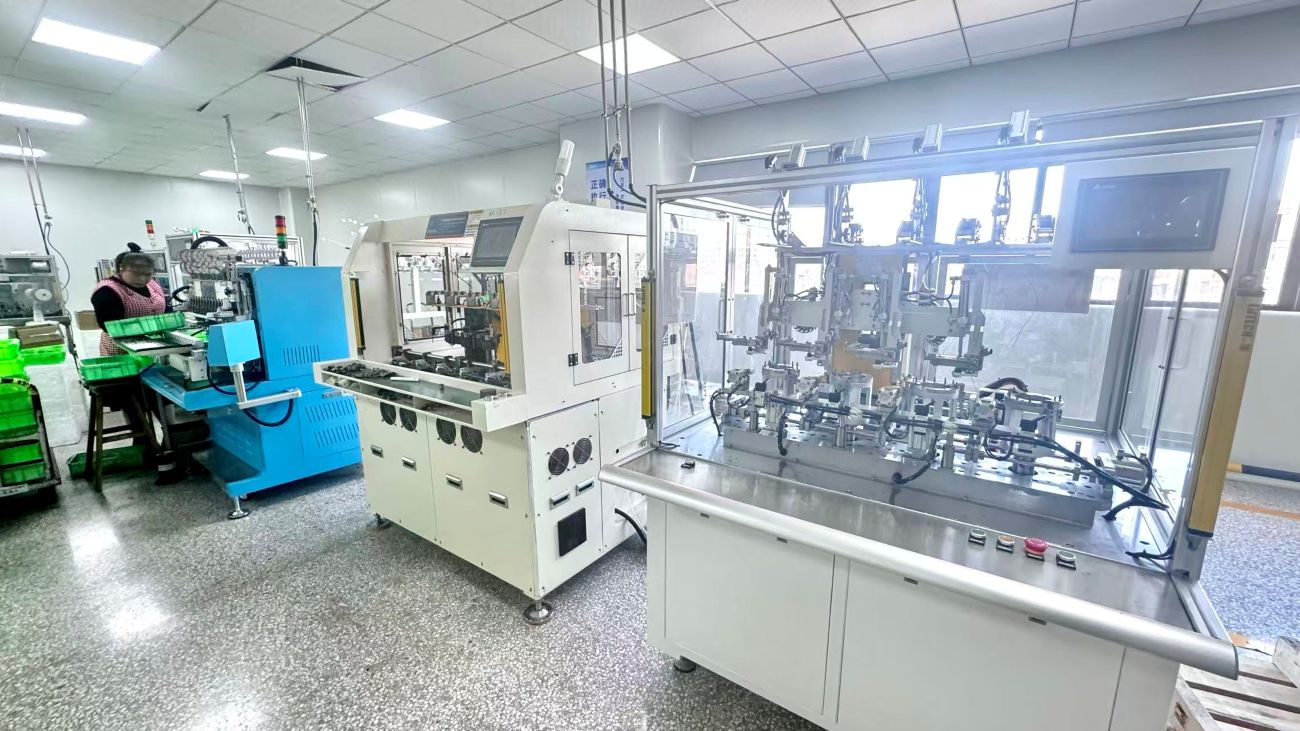
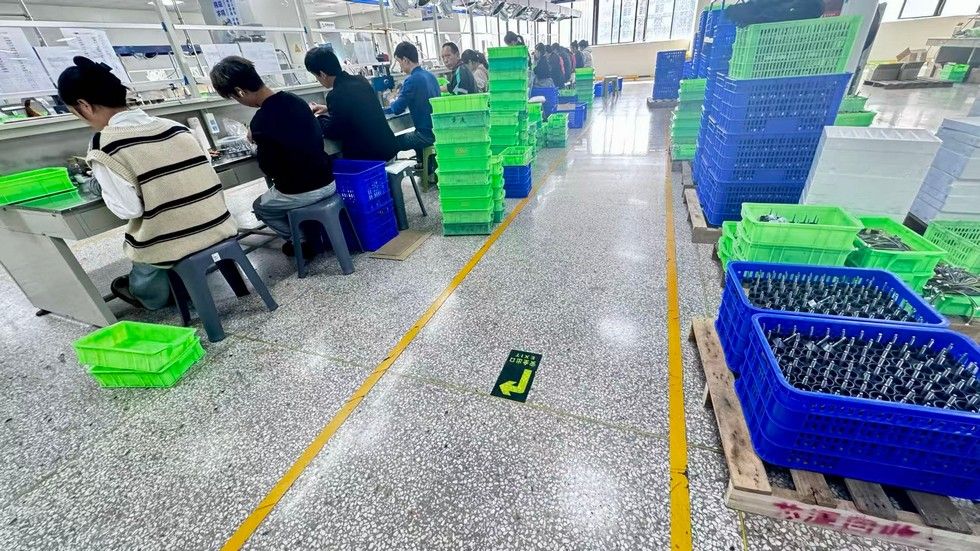
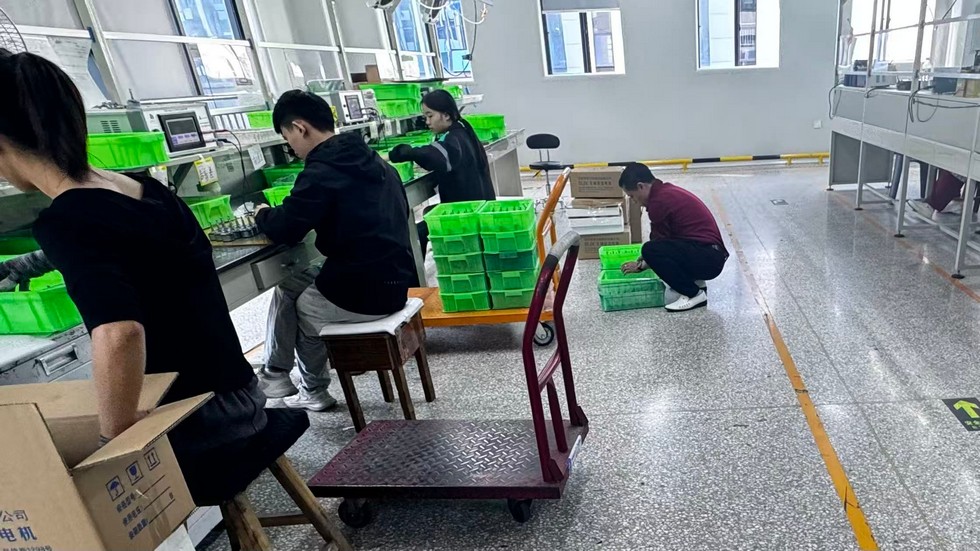

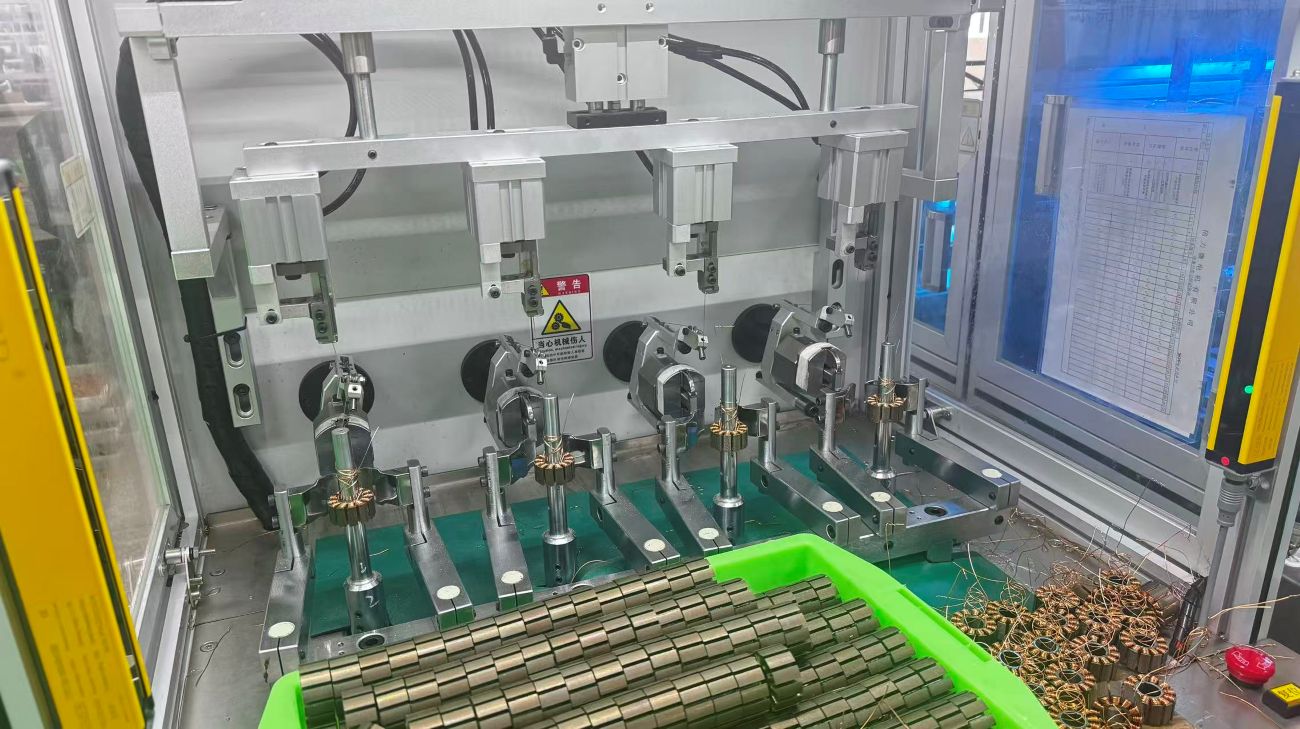
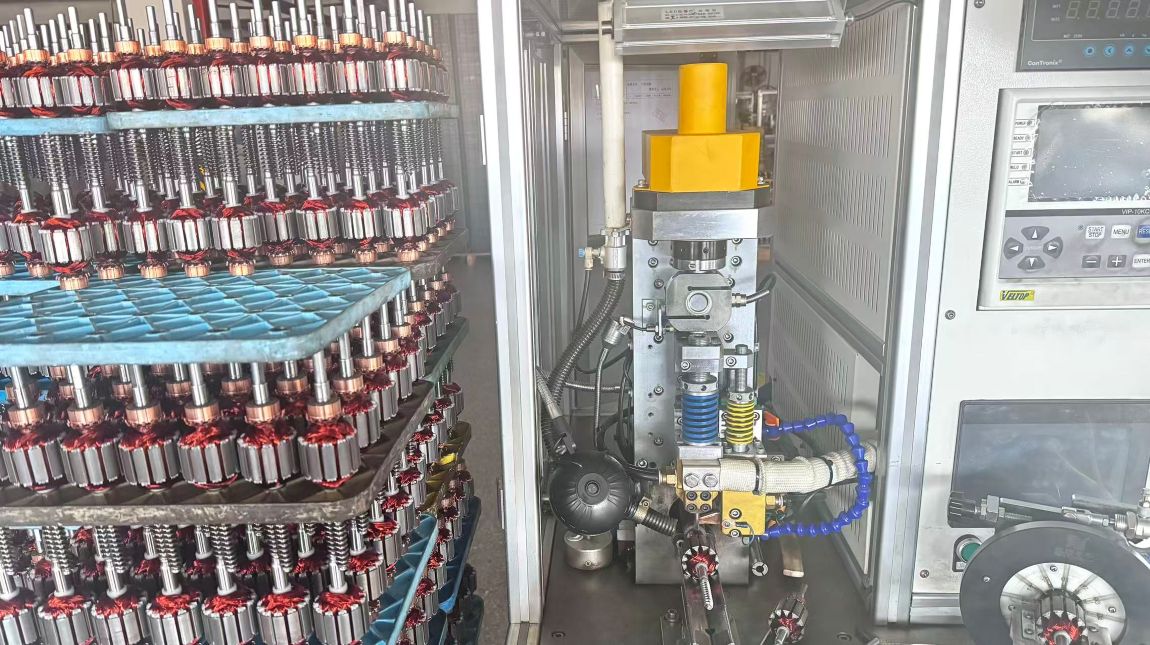
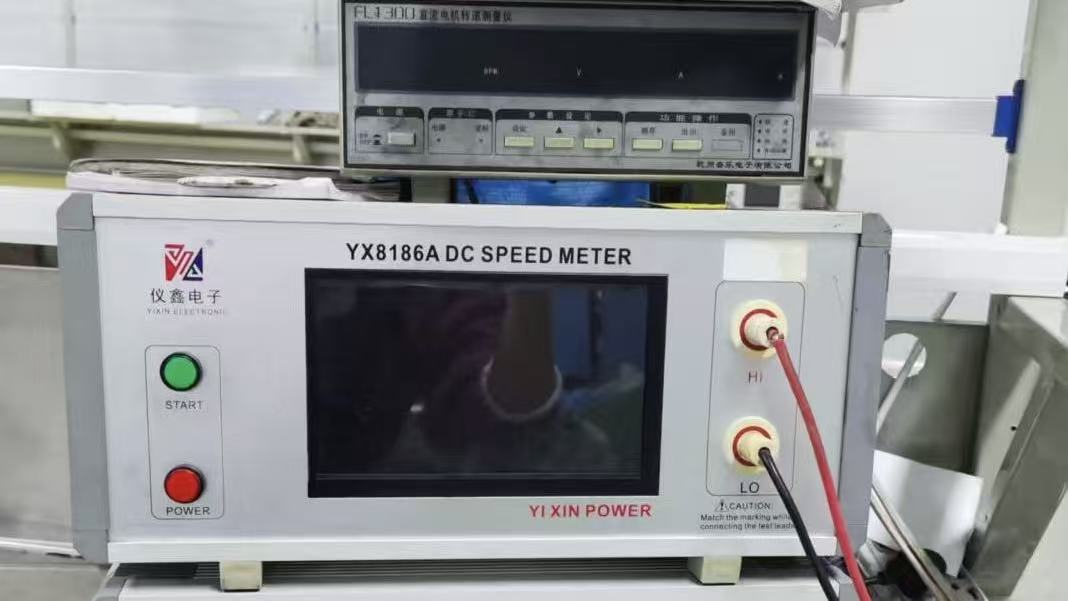
Our automation strategy relies on Automatic Winding Machines to ensure consistent wire tension, protecting magnetic wire insulation from microscopic damage. Commutator hooks are secured using an advanced Spot Welding Machine to ensure low contact resistance and high thermal limits. Finally, all drives pass through an integrated Tester system, recording parameters including starting voltage, idle current, shaft speed, back-EMF, and insulation breakdown resistance.
Maximizing Value, Mitigating Supply Chain Disruptions, and Navigating B2B Logistics
Global procurement teams face several challenges when sourcing motor components, including: price volatility of key raw materials (copper, steel laminations, and permanent magnets), shifting regulatory frameworks for environmental safety (RoHS, REACH), and shipping lead-time fluctuations. A reliable Brush DC Motor Factory must provide more than raw manufacturing; it must act as a strategic partner offering technical verification and stable supply lines.
By using local component manufacturing and automated processes in China, AxisPro mitigates geopolitical supply chain risks. We ensure cost-competitive delivery, raw material safety declarations, and robust packaging to protect shafts from misalignment during transit.
From magnetic properties, shaft geometries (D-cuts, knurls, threaded shafts), to noise filters and leads with custom connectors.
All finished shipments undergo complete dimensional checks, speed/torque curve matching, and vibration level checks.
Ensuring compliance with RoHS and REACH standards to guarantee smooth customs clearing in European and North American markets.
Exploring how next-generation applications utilize high-performance carbon brush motors
Brush DC motors are adapting to meet the demands of modern applications. Some of the fastest-growing design scenarios include:
The Technological Outlook: To reduce friction wear and extend lifespan, motor factories are developing hybrid brush designs using copper-graphite composites and advanced synthetic lubricants. By applying varistors directly to the armature, engineers can reduce spark discharge during commutation, extending motor life and mitigating electromagnetic interference.
Answers to common questions from design engineers and procurement teams
Engineered for robotics, medical equipment, and high-reliability B2B applications
 AxisPro Motor