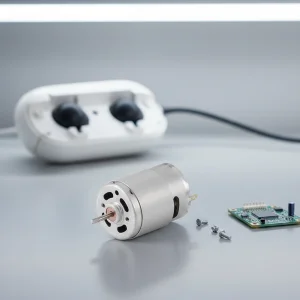
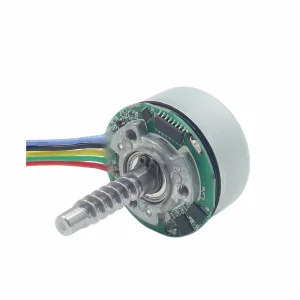
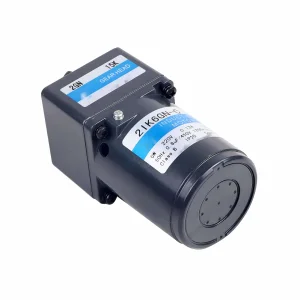
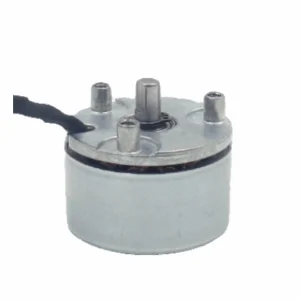
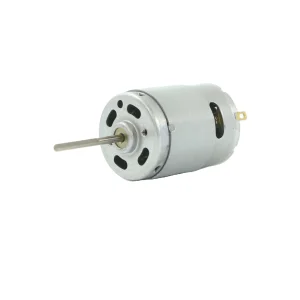
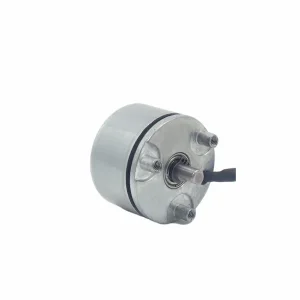
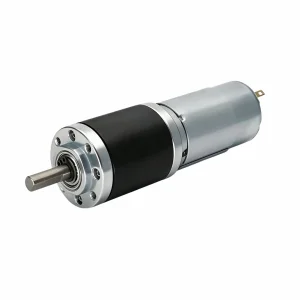
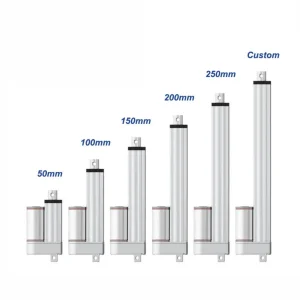
Explore our high-performance micro motors, geared drives, and linear motion components engineered for precision, custom torque profiles, and industrial durability.
Key metrics detailing the rapid expansion of bi-directional, high-torque micro motors in autonomous and smart automation applications.
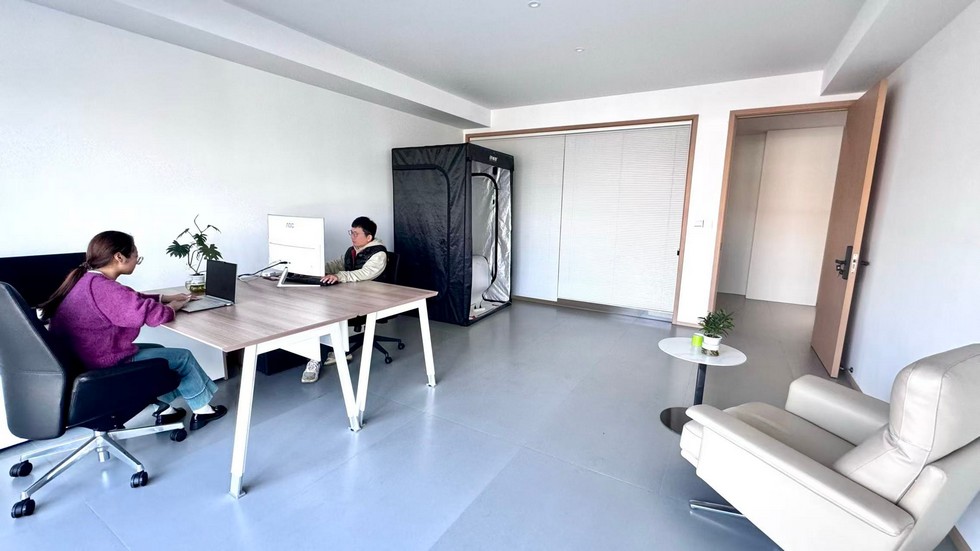
At AxisPro, we believe that the trend toward miniaturization shouldn't mean a compromise in power. As a premier manufacturer specializing in high-performance Micro DC Motors, DC Gear Motors, and Brushless DC Motors (BLDC), we have spent twenty years mastering the science of miniature motion control. The word Axis represents the literal and figurative center of everything we build; Pro dictates our uncompromised standard of industrial engineering.
From our state-of-the-art, ISO9001-certified manufacturing facility, AxisPro bridges the gap between China’s supply chain efficiency and global technical standards. Our micro-drives are chosen globally by product designers and procurement managers in smart home automation, automotive electronics, medical hardware, and robotics for their exceptional power-to-size ratio, whispering-quiet acoustics, and ultra-long lifespans.
We don’t just stamp out standard components—AxisPro thrives on flexible OEM/ODM custom-engineered solutions. Powered by an elite in-house R&D team holding multiple drive-tech patents, we provide rapid prototyping and seamless technical collaboration. From specific voltage tuning and specialized gear ratios to custom shaft modifications, we engineer the precise axis around which your next innovation will revolve.
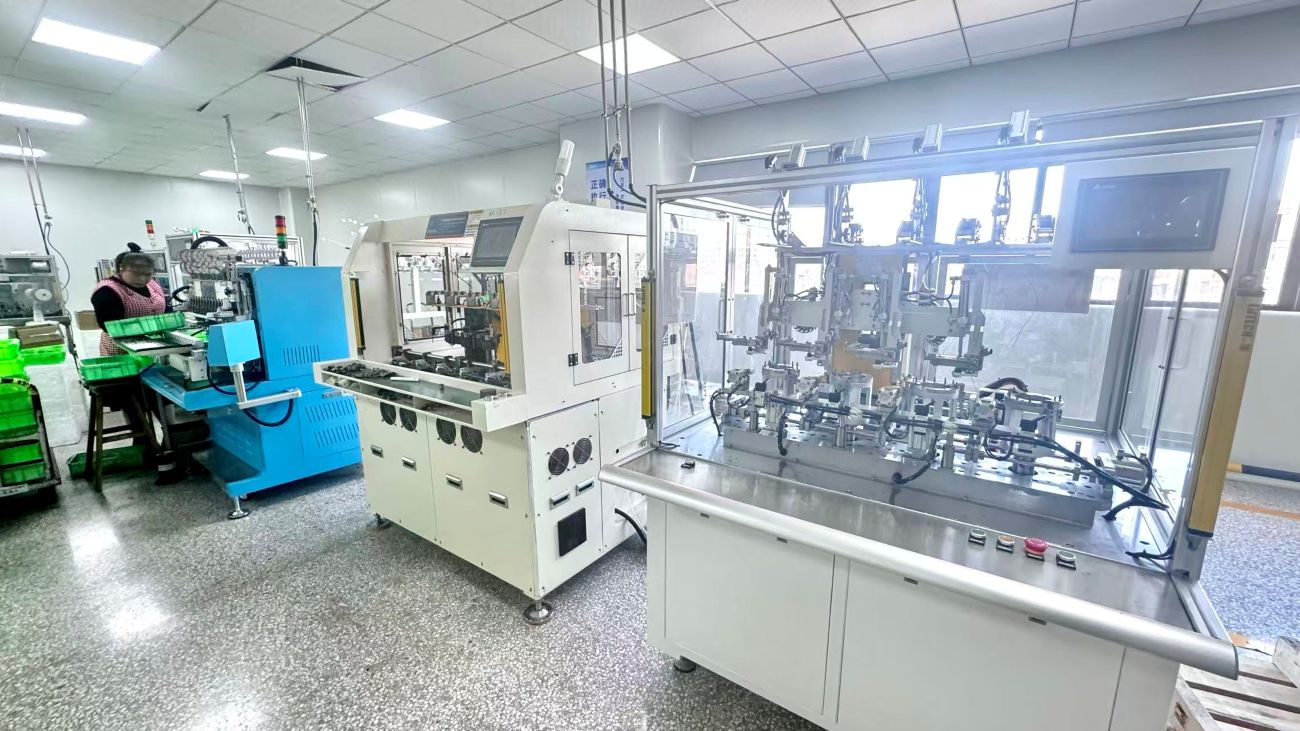
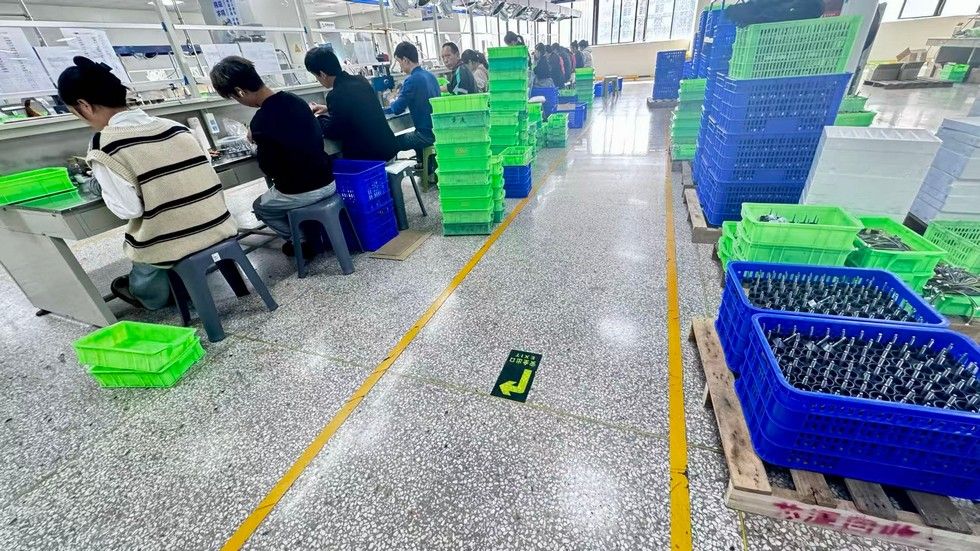
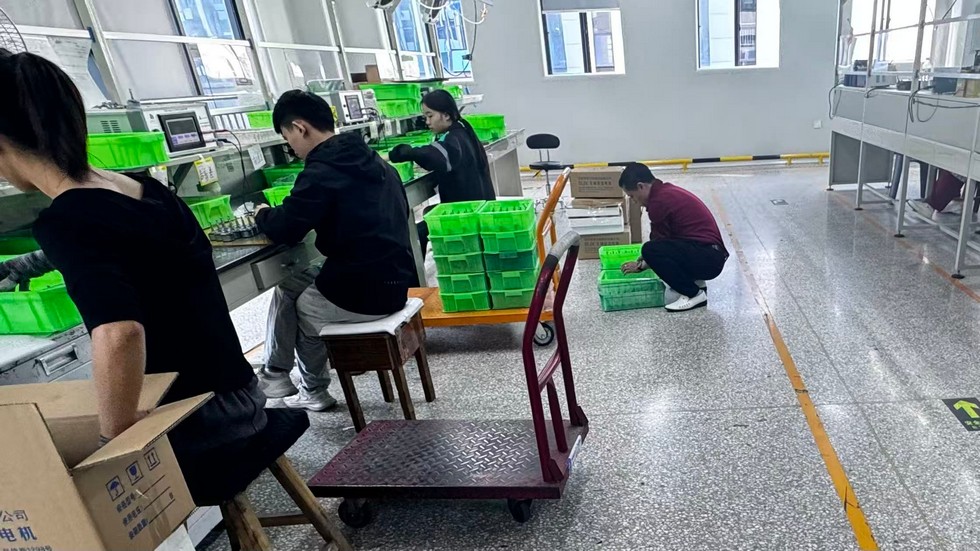

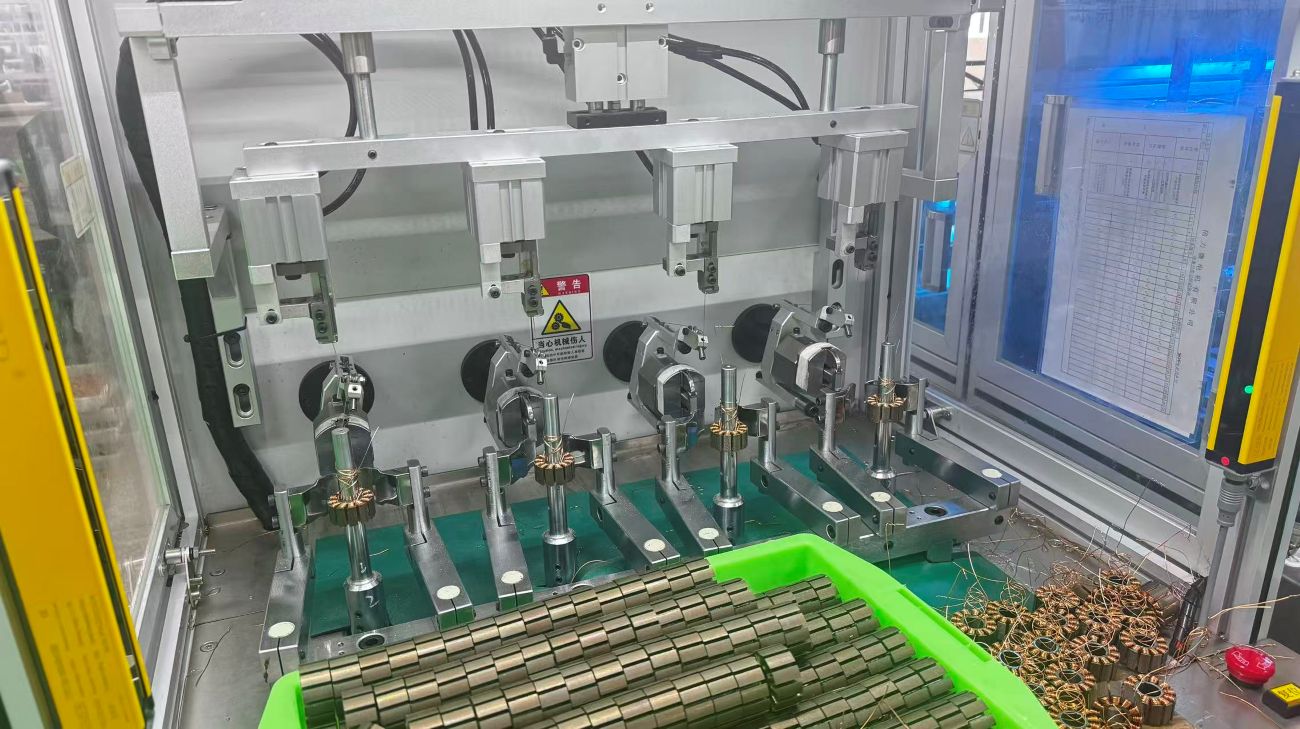
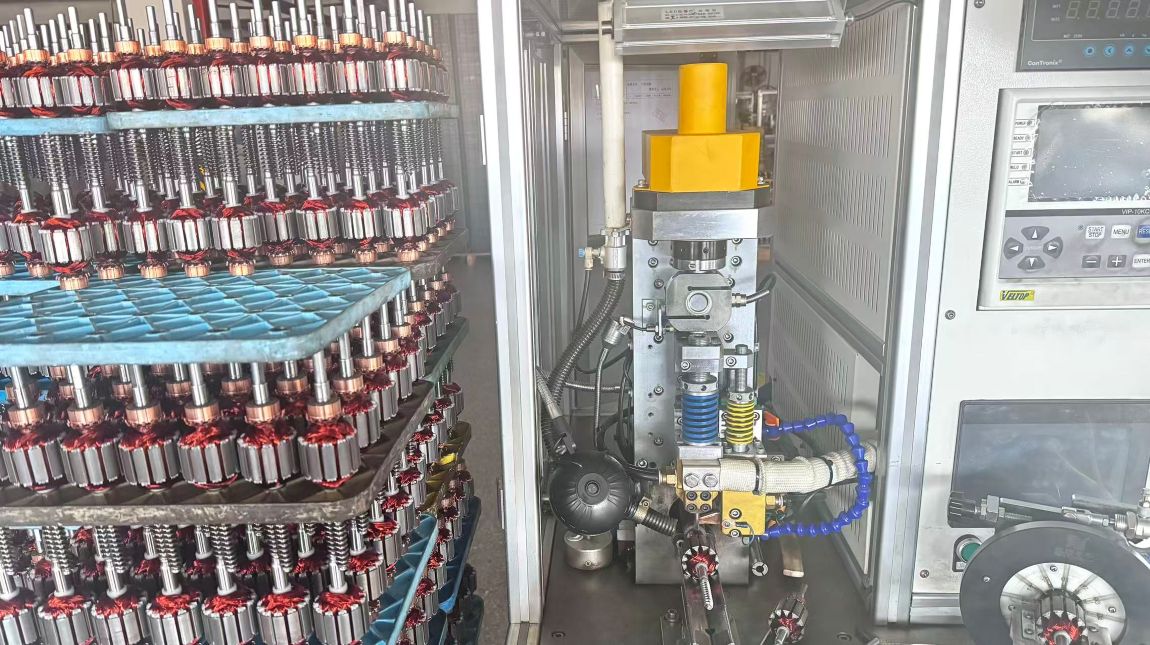
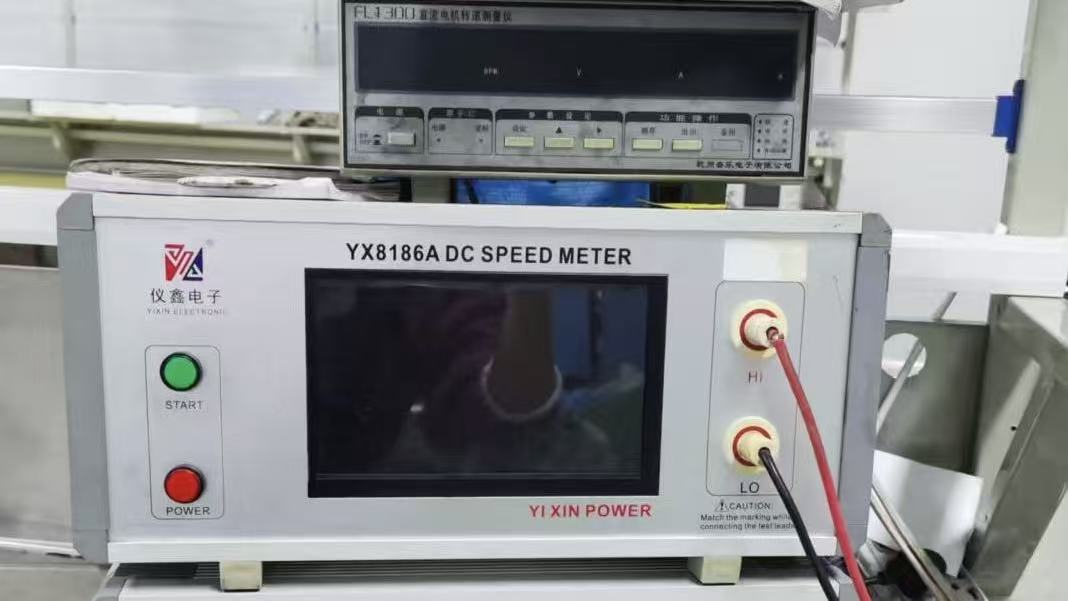
Evaluating manufacturers globally involves looking past basic pricing. It requires auditing precision engineering, dynamic testing protocols, thermal performance, and compliance metrics.
Top factories utilize optimized mechanical commutation (carbon brushes with active dampening) or advanced sensor-based electronic commutation (BLDC) to ensure bi-directional torque parity and long-term durability.
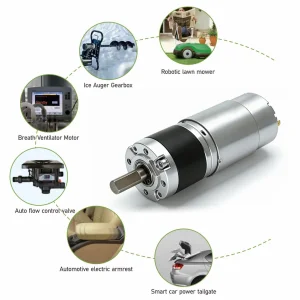
Micro planetary gearboxes demand ultra-precise tolerances (less than 1.5 degrees of backlash) for optical adjustments, camera gimbals, and automated medical devices.
Using computerized high-speed winding machines eliminates imbalances, ensuring smooth rotational transition when changing direction under varying loads.
Reversible motor systems generate transient heat spikes during direction switching. Factories must employ high-grade class H or F copper insulation wire to handle thermal stress.
Global operations require full compliance, including CE marking, UL certification, RoHS limits, and REACH verification for eco-safe electrical components.
Top-tier factories provide fast engineering iterations. This includes modified output shaft lengths, custom keyways, special pinions, or integrated drive electronics.
| Manufacturer Class | Typical Voltage Support | Ideal Applications | Strengths | Quality Standards |
|---|---|---|---|---|
| Micro Planetary Specialist (e.g., AxisPro) | 3.7V - 24V DC | Precision Optics, Robotics, Medical Devices | High torque-to-size ratio, sub-1.5° backlash | ISO9001, CE, RoHS, Reach |
| Industrial AC Gearbox Factory | 110V - 380V AC | Conveyor lines, heavy packaging lines | Continuous duty cycle, high heat tolerance | UL, CSA, IEC Standards |
| Automotive BLDC OEM | 12V - 48V DC | Power windows, seat adjustment, pumps | High EMI/EMC compliance, high volume automation | IATF 16949, ISO 26262 |
| Mini Linear Actuator Plant | 12V - 24V DC | Smart windows, recliners, valve controls | Precise stroke lengths, IP54-IP67 protection | CE, IP-rating validation |
A roadmap of motor design advancements heading into 2025 and beyond, addressing smart integration, material breakthroughs, and supply chain strategies.
The industry is moving toward brushless motors due to their lower maintenance, minimal electrical noise, and longer operating lives. This is especially true for systems requiring frequent direction changes, as brushless motors eliminate brush wear and arc erosion during polarity reversal.
Next-generation reversible motors feature integrated micro-controllers and magnetic encoders. These onboard systems monitor current draws, rotational speed, temperature, and shaft positions in real time, communicating diagnostics directly to main system controllers via CAN-bus or Modbus protocols.
Using premium Neodymium (NdFeB) magnets allows for compact motor footprints while maintaining high torque density. High-temperature resistance grades (such as SH, UH, and EH) prevent demagnetization under heavy load cycles and in hot operating environments.
Sourcing motors globally requires a clear understanding of international quality certifications, supply chain risk management, and local engineering support.
Maintaining redundant raw material suppliers for copper wire, magnets, and precision bearings helps prevent factory production delays. Working with ISO-certified logistics partners ensures smooth ocean and air freight handling.
High-quality motor designs must comply with international directives (like RoHS and REACH) to avoid import issues. CE, UL, and TUV certifications confirm that motor housings, insulation, and wiring meet safety standards.
Having technical support contacts in target regions streamlines communication during product design phases. Regional support speeds up prototype reviews, custom mount development, and test evaluations.
Browse our second selection of high-efficiency brushless systems, variable-speed gearboxes, and linear actuators built for automation and heavy-duty industrial tasks.
Detailed answers to common questions about selecting, mounting, and testing micro DC and brushless reversible motors.
Reversible DC motors switch direction by reversing the polarity of the input voltage (in brushed configurations) or by changing the phase firing sequence via a controller (in brushless designs). Reversible AC motors typically use a run capacitor and a selector switch to shift the phase angle between primary and auxiliary stator windings.
Backlash is the play or clearance between mating gear teeth when rotation is reversed. In applications like camera adjustments or medical pumps, excessive backlash can introduce tracking errors. Selecting a high-precision planetary gearbox with values below 1.5 degrees helps maintain accurate positioning.
Customization options include varying shaft lengths, adding D-cuts or round keys, cutting specific splines or pinions directly onto the shaft, and selecting custom materials like stainless steel (SUS303/SUS304) for corrosive environments.
Modern BLDC controllers manage the deceleration process by using regenerative braking before reversing voltage phases. This prevent over-voltage spikes and protects mechanical components from sudden stress during transition cycles.
For standard outdoor use with exposure to dust and light splashing water, an IP54 rating is recommended. For more severe conditions involving direct water spray or dust storms, selecting an IP65 or IP67 enclosure is advisable.
Standard quality checks include tests for starting voltage, no-load current and speed, winding resistance, dielectric strength (hi-pot test), noise levels, and mechanical runout of the output shaft.
 AxisPro Motor