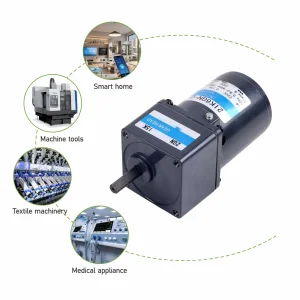
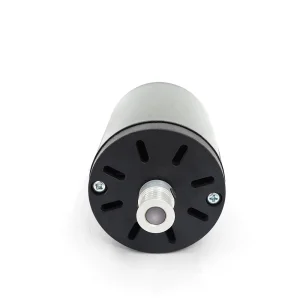
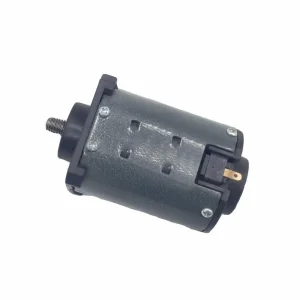
China Wholesale Split Phase Motor Factory & Exporter

Global Industrial OEM/ODM Micro Motors, Specialized Stator Winding Configurations, and Precision Driving Systems Engineered for Uncompromised Commercial Performance.

The Core of Precision Motion: Inside AxisPro Micromotor

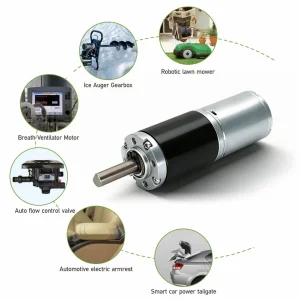
At AxisPro, we believe that the trend toward miniaturization shouldn't mean a compromise in power. As a premier manufacturer specializing in high-performance Micro DC Motors, DC Gear Motors, and Brushless DC Motors (BLDC), we have spent twenty years mastering the science of miniature motion control. The word Axis represents the literal and figurative center of everything we build; Pro dictates our uncompromised standard of industrial engineering.

From our state-of-the-art, ISO9001-certified manufacturing facility, AxisPro bridges the gap between China’s supply chain efficiency and global technical standards. Our micro-drives are chosen globally by product designers and procurement managers in smart home automation, automotive electronics, medical hardware, and robotics for their exceptional power-to-size ratio, whispering-quiet acoustics, and ultra-long lifespans.

We don’t just stamp out standard components—AxisPro thrives on flexible OEM/ODM custom-engineered solutions. Powered by an elite in-house R&D team holding multiple drive-tech patents, we provide rapid prototyping and seamless technical collaboration. From specific voltage tuning and specialized gear ratios to custom shaft modifications, we engineer the precise axis around which your next innovation will revolve.

20+
Years R&D Excellence
ISO9001
Certified Facility
50+
Global Export Regions
100%
Quality Assured Testing

Understanding Split Phase Induction Motors: Working Principles and Dynamics

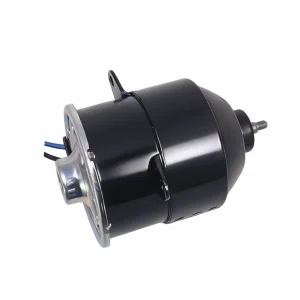
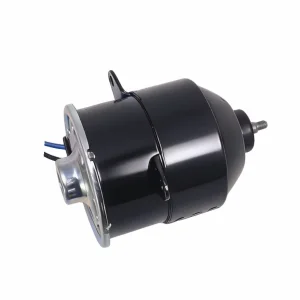
A Split Phase Motor (historically referred to as a resistance-start induction-run motor) represents one of the most reliable architectures in the single-phase AC induction machine classification. From a structural engineering perspective, single-phase power distribution does not inherently establish a rotating magnetic field in the stator. To overcome this physical limitation, split-phase technology divides the stator's internal electromagnetics into two discrete winding circuits:

  • The Main Winding (Run Winding): Wound with larger copper wire, placed deeper in the stator slots to exhibit low resistance and high inductive reactance.
  • The Auxiliary Winding (Start Winding): Placed at a 90 electrical degree angle relative to the main winding. Utilizing thinner wire, it has high electrical resistance and lower inductive reactance.

This structural differentiation creates an electrical phase shift (typically 20 to 30 degrees) between the currents flowing through the two windings. The phase shift generates a rotating magnetic field sufficient to initiate rotor rotation. Once the rotor accelerates to approximately 75% to 80% of its synchronous speed, a centrifugal switch or an electronic relay automatically disconnects the auxiliary winding. From this point forward, the motor operates solely via the main winding, maximizing energy efficiency and maintaining continuous load velocity.

Design Director's Note on Split Phase Efficiency: By managing winding copper volumes and optimizing the air gap between the stator laminations and the die-cast aluminum rotor, AxisPro motors achieve an exceptional power factor and minimize heat generation under continuous duty cycles.

Comparative Engineering Matrix: Single-Phase Induction Motor Typologies

When selecting the optimal drive system for your commercial or industrial application, it is crucial to analyze how standard split-phase models compare to other single-phase variations. Below is an engineering overview comparing starting torque, slip ratios, complexity, and typical cost indexes.

Motor Type Starting Torque (Locked Rotor) Starting Mechanism Complexity & Maintenance Cost Factor Primary Application
Split Phase (Resistance Start) Moderate (125% - 200% of Rated) Centrifugal Switch / Relay Low (High mechanical reliability) Economical / Budget friendly Blowers, fans, small office gear
Capacitor-Start Induction-Run (CSIR) High (250% - 400% of Rated) Capacitor + Centrifugal Switch Moderate (Requires capacitor maintenance) Moderate Compressors, heavy conveyors, pumps
Permanent Split Capacitor (PSC) Low (50% - 100% of Rated) Run Winding + Continuous Capacitor Extremely Low (No centrifugal switch) Moderate-High HVAC blowers, direct-drive fans
Shaded Pole Induction Very Low (Under 50% of Rated) Shading coil on salient pole Simplest (No moving internal switch) Low Cost Small home appliance fans, toys

Sourcing Strategy: Leveraging China's Advanced Motor Infrastructure

In the modern manufacturing landscape, industrial buyers, procurement managers, and OEM specialists are tasked with balancing strict budgetary targets against rigorous ISO and CE standards. China’s electrical motor industry cluster offers distinct logistics, supply-chain, and raw material advantages that cannot be replicated elsewhere:

  1. Integrated Materials Supply Chain: Our factory leverages close proximity to regional silicon steel processors, high-purity copper drawing mills, and precision ball bearing producers. This ensures rapid material procurement and lower shipping overheads, directly translating to more competitive wholesale pricing.
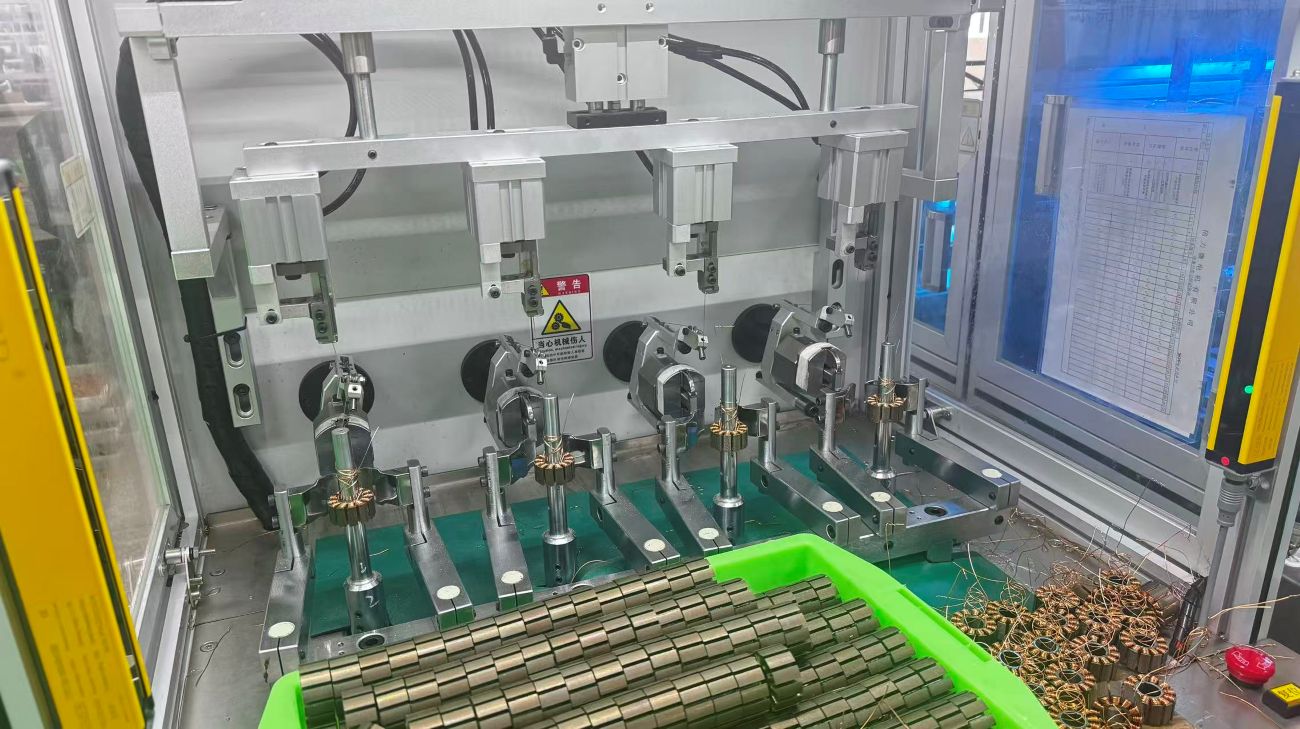
  2. Advanced Stator Winding & Balancing Automation: Automated winding machinery delivers precise turns per slot, keeping coil resistance highly consistent. Every rotor undergoes dynamic micro-balancing to eliminate operational vibrations and prolong bearing life.
  3. Diverse Customization Options: Standard catalogs often fail to match specialized application requirements. Our engineering team can configure custom shafts, varying frame sizes, double-shielded bearings, and distinct lead wire terminations without causing significant delays in mass production.

AxisPro Production & Quality Control Systems

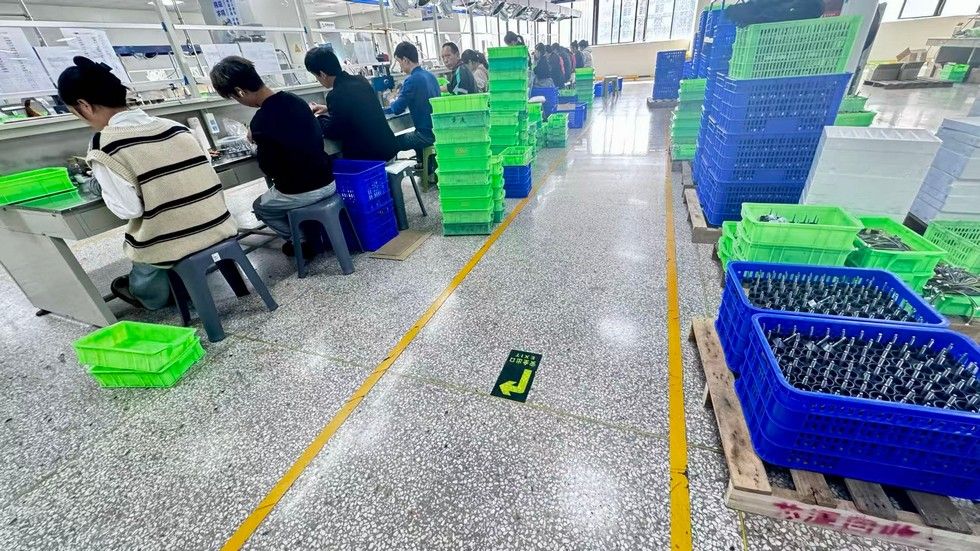
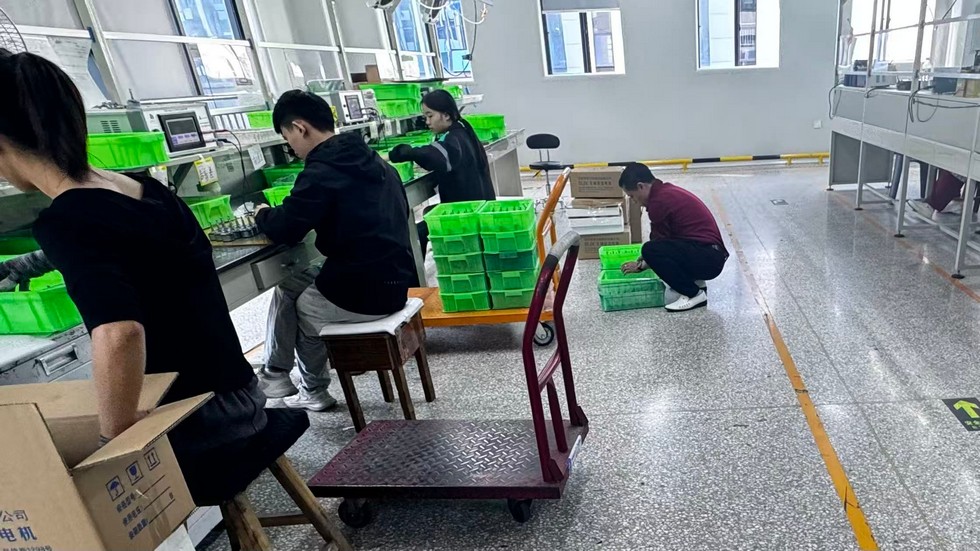
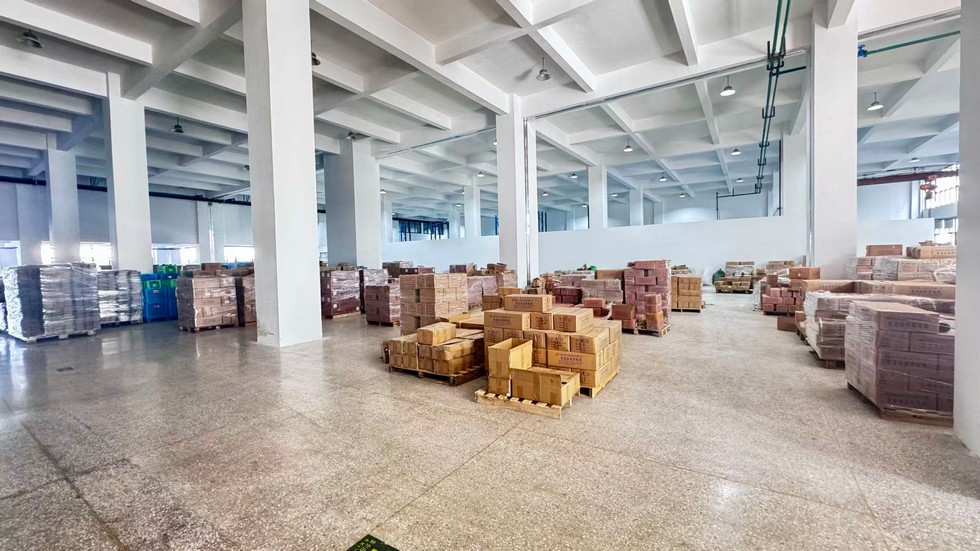
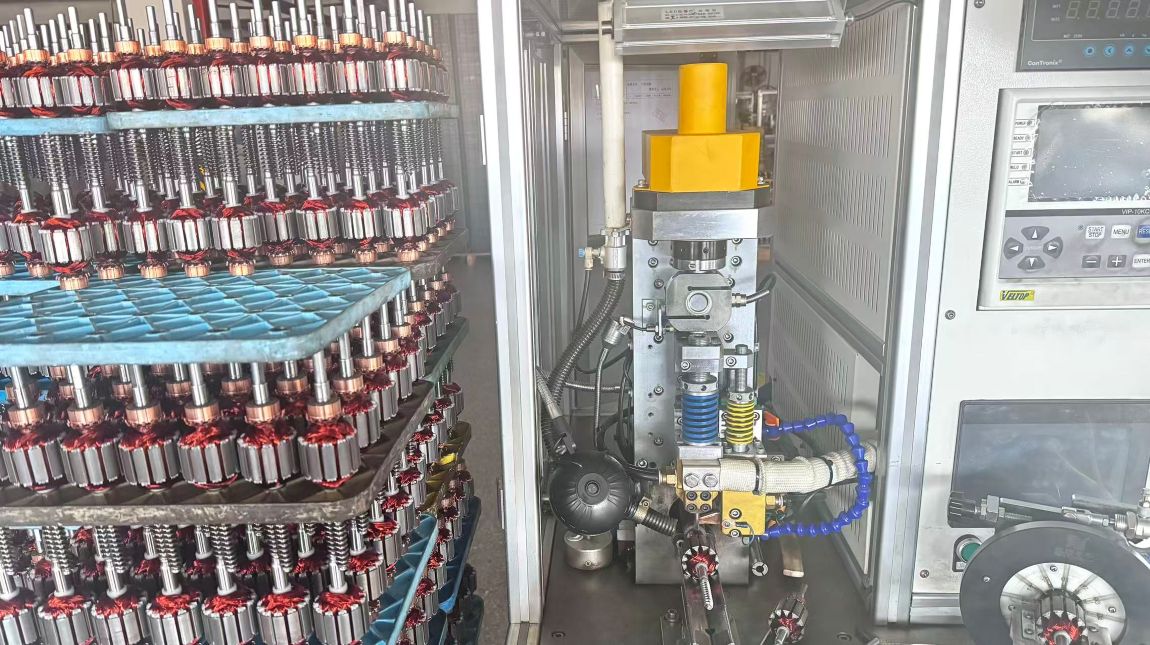
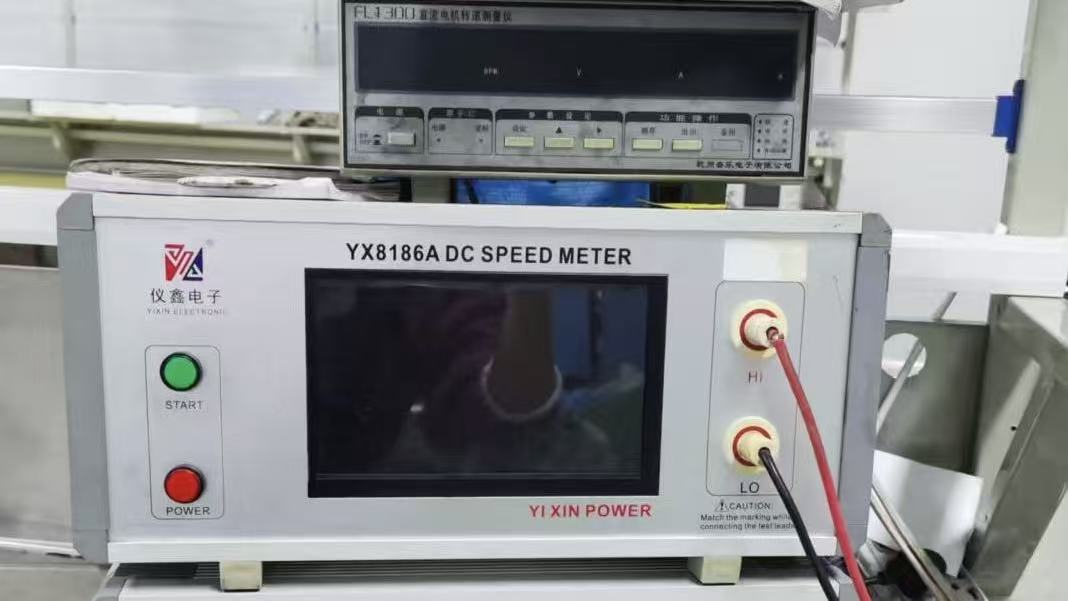
We believe visual transparency is the cornerstone of reliability. Below is an engineering overview of our facility, displaying the automated manufacturing equipment, winding processes, assembly lines, and testing arrays that define our production line.
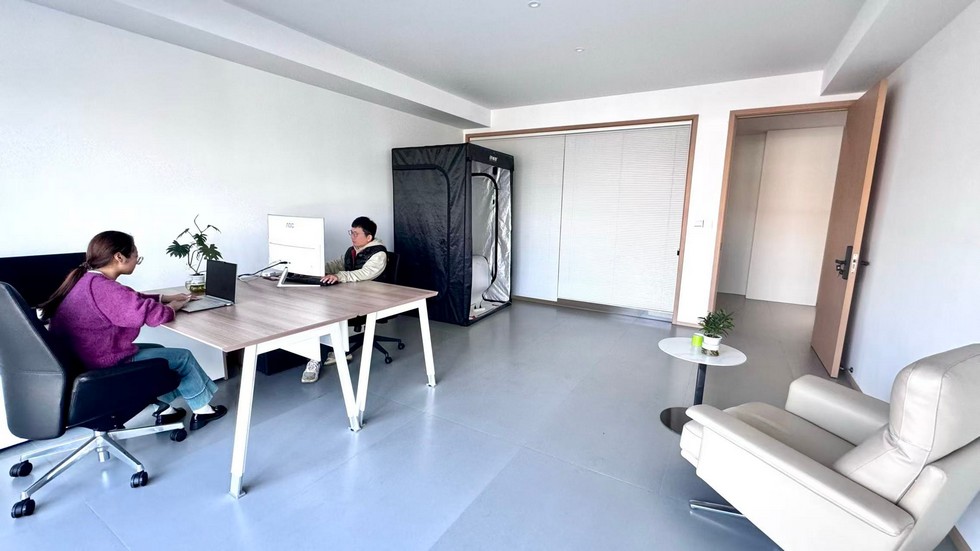
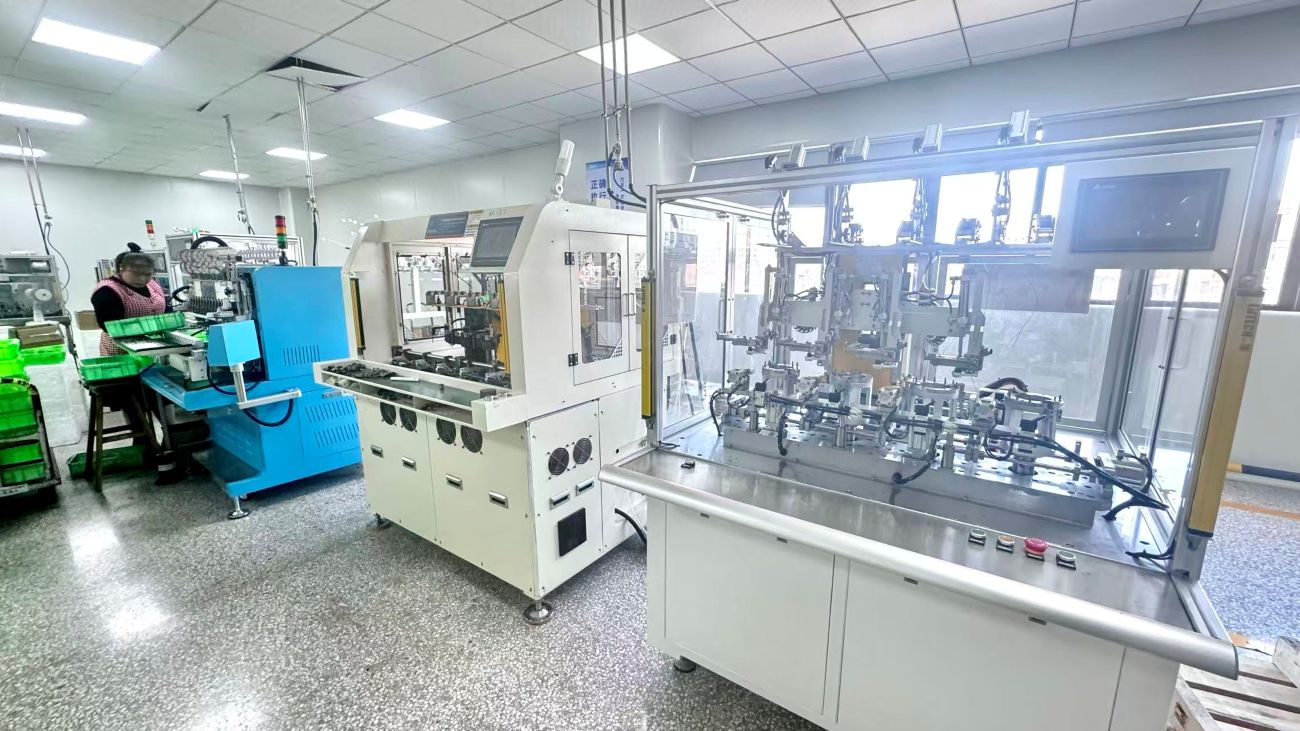
AxisPro Manufacturing Facility Overview
Winding Process
Winding Stage
Assemble Process
Assembly Line
Test Stage
Testing & Diagnostics
Storage
Finished Goods Storage
Automatic Winding Machine
Spot Welding Machine
Tester
Precision Output Tester

Emerging Engineering Trends & Application Scenarios

In response to global directives like the European Ecodesign Regulation and the American NEMA Energy Efficiency Standards, split phase and micro-motor architectures are undergoing significant technological advancements. Below are key areas driving the development of modern drive systems:

  • Eco-Efficiency Materials: Upgrading stator laminations from basic carbon steels to premium cold-rolled non-oriented (CRNGO) silicon steels significantly reduces eddy current losses.
  • Optimized Centrifugal Mechanisms: Re-engineering internal switches with advanced polymers and wear-resistant contact points ensures trouble-free switching over millions of start-stop cycles.
  • Precision Thermal Overload Protectors: Integrating auto-reset thermal cutoffs directly into the winding assembly protects against locked-rotor damage and over-current scenarios.
  • Hybrid Controls Integration: Combining classic induction motor frame designs with compact electronic controllers allows for smoother start-up profiles and optimized power factor management.

Technical Q&A: Split Phase Motors & Industrial Micro Drives

Q1: What limits the starting torque of a basic split-phase motor?
The starting torque of a split-phase motor is restricted by the electrical phase difference achieved between the start and run windings. Because it relies purely on winding resistance differentials (rather than a capacitor) to shift the phase, the angle offset is generally limited to 20-30 degrees. This provides moderate starting torque, suitable for low-inertia starting loads.
Q2: Can split-phase motors be speed-controlled via typical AC VFDs?
Generally, standard split-phase induction motors are not suitable for VFD speed control. The centrifugal switch is designed to disconnect the start winding at a set rotor speed. Operating the motor at low speeds through a VFD can prevent the switch from opening, keeping the start winding energized and risking overheating. For applications requiring speed control, BLDC motors, permanent split capacitor (PSC) motors, or three-phase induction drives are recommended.
Q3: What are the primary indicators of auxiliary switch failure?
A failed centrifugal switch typically causes two issues: either the switch stays open, preventing the start winding from energizing and leaving the motor humming without turning, or the switch stays closed, keeping the start winding active during normal operation. This leads to high current draw, motor overheating, and eventual thermal shutdown.
Q4: What customization options are available for OEM/ODM motor orders?
Through AxisPro, buyers can customize mechanical mounting options (NEMA or IEC frame dimensions, custom keyways, flat shafts, dual shafts), adjust electrical parameters (custom voltages, alternative frequencies, specific insulation classes like F or H), and add thermal protection or specialized low-noise bearings.
Q5: How does class rating (Class B vs Class F) affect motor operation?
Insulation classes define the maximum operating temperature a motor's winding system can withstand without degradation. Class B insulation is rated for 130°C, while Class F insulation can handle up to 155°C. Upgrading to Class F or Class H provides a larger safety margin, extending service life in demanding or high-ambient environments.
Q6: What is the typical MOQ for customized China wholesale motor orders?
The Minimum Order Quantity (MOQ) depends on the size and complexity of the motor. Standard micro DC motors typically have an MOQ of 1,000 units, whereas larger, highly customized industrial AC induction motors or high-grade BLDC motors may allow for lower prototype batches (100–500 units) to assist with customer design cycles.