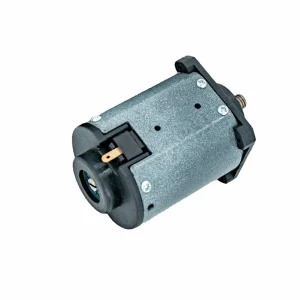
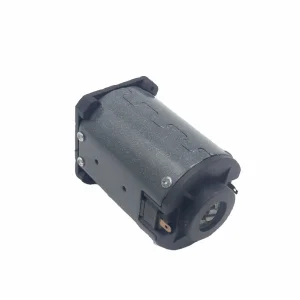
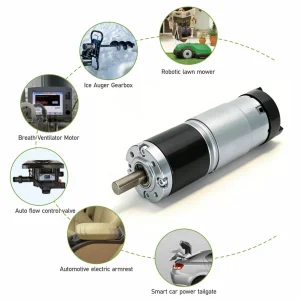
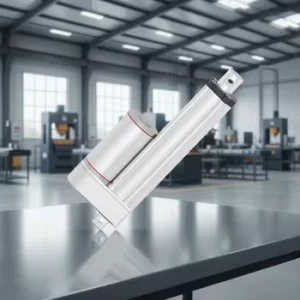
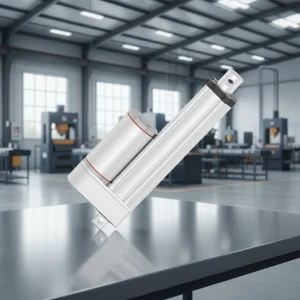
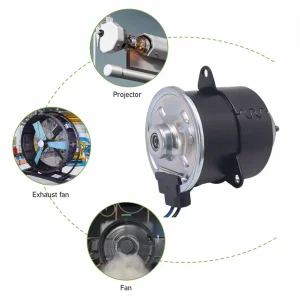
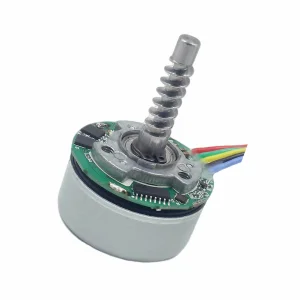
Explore our industrial grade micro-drives, brush motors, linear actuators, and high-efficiency AC motors designed for demanding applications.
Years of R&D Excellence
CE Certified Lineup
Global Target Countries
Transmission Play / Backlash
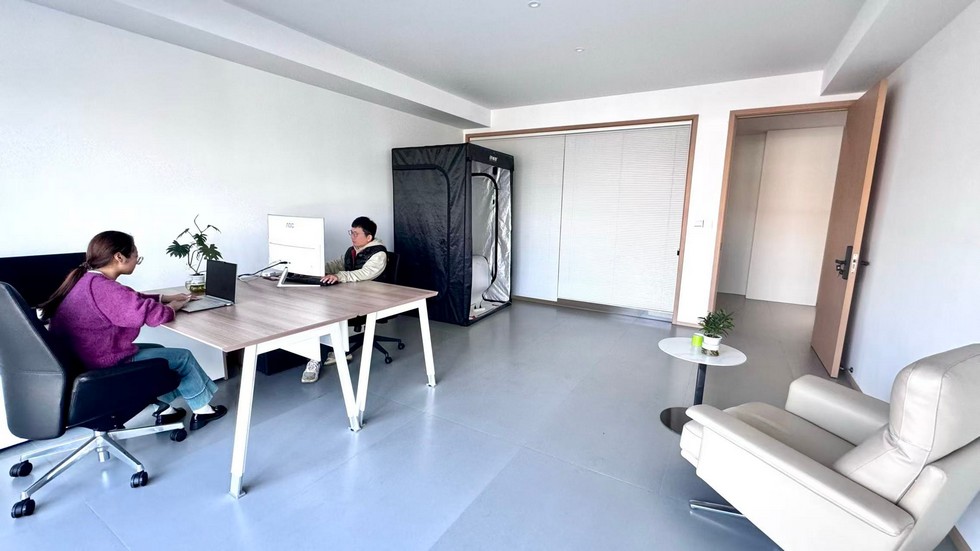
At AxisPro, we believe that the trend toward miniaturization shouldn't mean a compromise in power. As a premier manufacturer specializing in high-performance Micro DC Motors, DC Gear Motors, and Brushless DC Motors (BLDC), we have spent twenty years mastering the science of miniature motion control. The word Axis represents the literal and figurative center of everything we build; Pro dictates our uncompromised standard of industrial engineering.
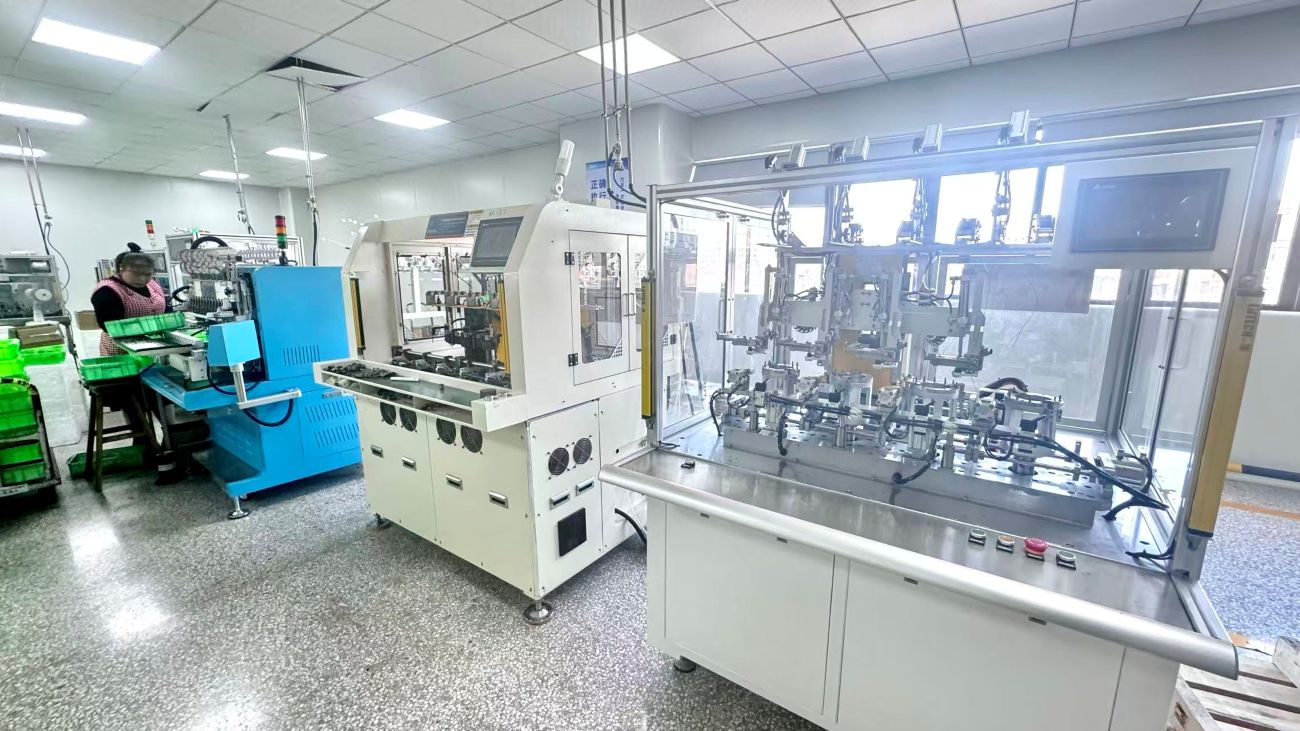
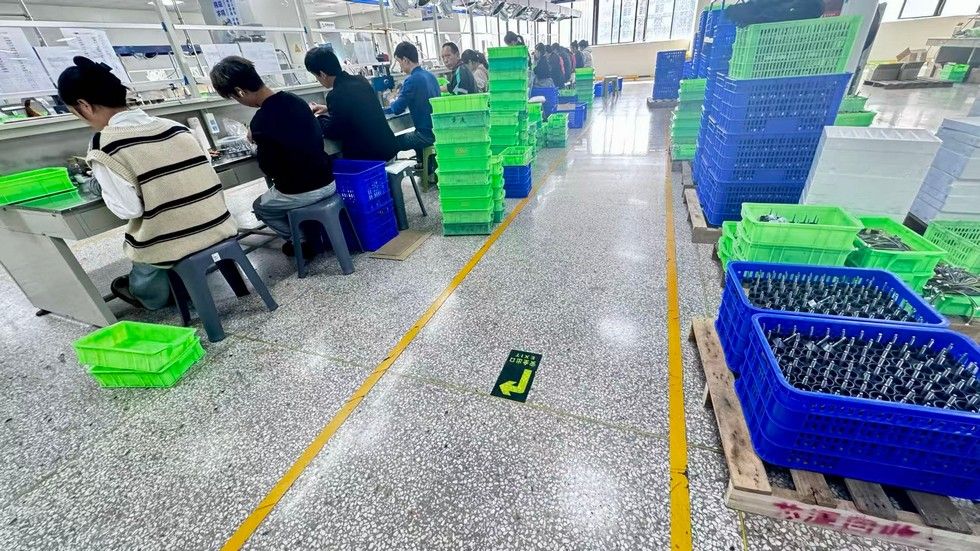
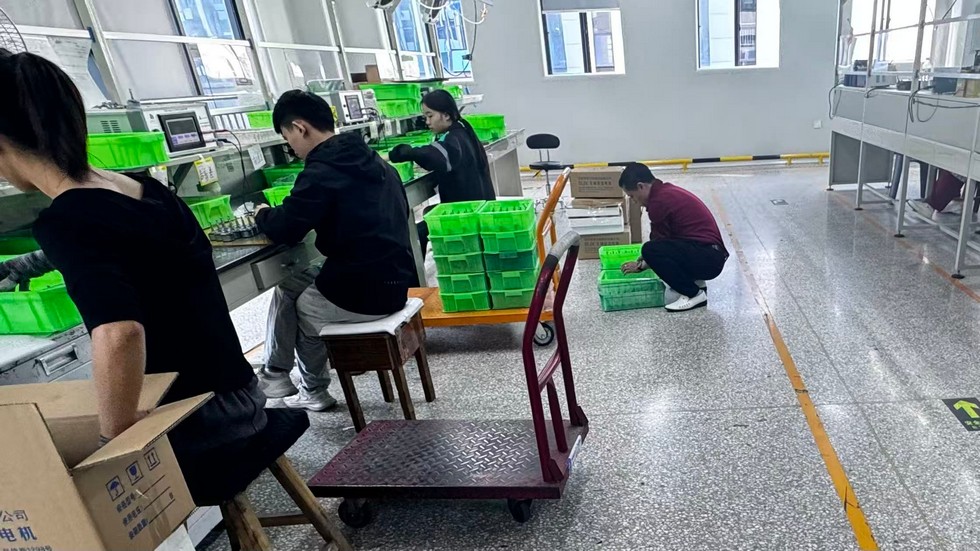
From our state-of-the-art, ISO9001-certified manufacturing facility, AxisPro bridges the gap between China’s supply chain efficiency and global technical standards. Our micro-drives are chosen globally by product designers and procurement managers in smart home automation, automotive electronics, medical hardware, and robotics for their exceptional power-to-size ratio, whispering-quiet acoustics, and ultra-long lifespans.
We don’t just stamp out standard components—AxisPro thrives on flexible OEM/ODM custom-engineered solutions. Powered by an elite in-house R&D team holding multiple drive-tech patents, we provide rapid prototyping and seamless technical collaboration. From specific voltage tuning and specialized gear ratios to custom shaft modifications, we engineer the precise axis around which your next innovation will revolve.

Why modern machine builders are eliminating traditional gearboxes in favor of direct-load coupled systems.
In mechanical motion control, traditional configurations depend on gearboxes, belts, and pulleys to transition high-speed rotational energy into usable torque. However, this classic mechanical linkage presents serious engineering setbacks: backlash, structural elasticity, torque ripples, and high friction loss. A Direct Drive Motor (DDM) bypasses these components entirely. By coupling the motor's rotor directly to the driven load, direct drive systems maximize rigidity, minimize maintenance overhead, and enhance dynamic responsiveness to near-perfection.
Eliminating mechanical linkages results in near-zero hysteresis. Direct drive motors exhibit exceptionally high frequency bandwidth responses, allowing for immediate start-stop actions and micro-positioning adjustments.
By eliminating gears, mechanical play is fully mitigated. The direct physical link provides extreme positioning accuracy down to sub-micron levels, critical for semiconductor processing and high-precision CNC units.
With fewer contacting friction points, direct drive motors reduce wear and tear. This configuration optimizes overall Mean Time to Failure (MTTF), offering maintenance-free operations for tens of thousands of cycles.
Meeting strict EU directives and ensuring global integration through engineering support and documentation.
For industrial machinery, medical devices, and automated consumer products exported to or sold within the European Economic Area (EEA), CE Certification is a mandatory requirement. Our direct drive motors and custom micro-drives fully comply with relevant European directives:
Regulatory compliance is only the starting point. AxisPro supports your local engineering efforts by offering dedicated application support. We assist your team with matching drive profiles to local grid codes, adapting mount tolerances to local standard metrics, and compiling documentation to accelerate your machine-level CE certifications.
We support international trade requirements by keeping records of our compliance testing accessible to procurement teams:
Combining structural cost control, rich raw material availability, and rapid customization cycles.
Selecting a direct drive motor manufacturer based in China allows global OEMs to combine high industrial engineering standards with cost efficiency. Because the supply chain is highly integrated, manufacturers can maintain consistent quality at competitive prices. The cornerstone advantages of this ecosystem include:
Direct drive motors rely on high-grade NdFeB (Neodymium Iron Boron) permanent magnets. Our proximity to key processing facilities ensures direct access to raw materials with minimal logistical overhead.
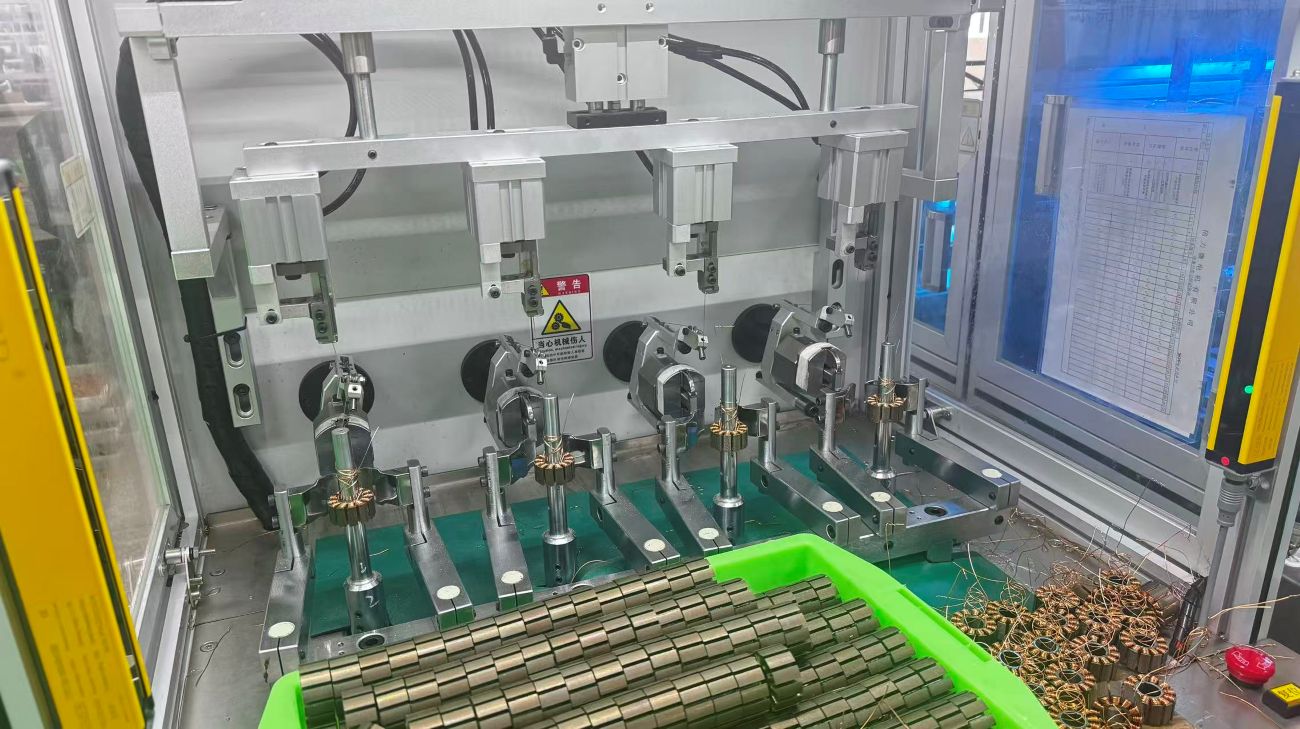
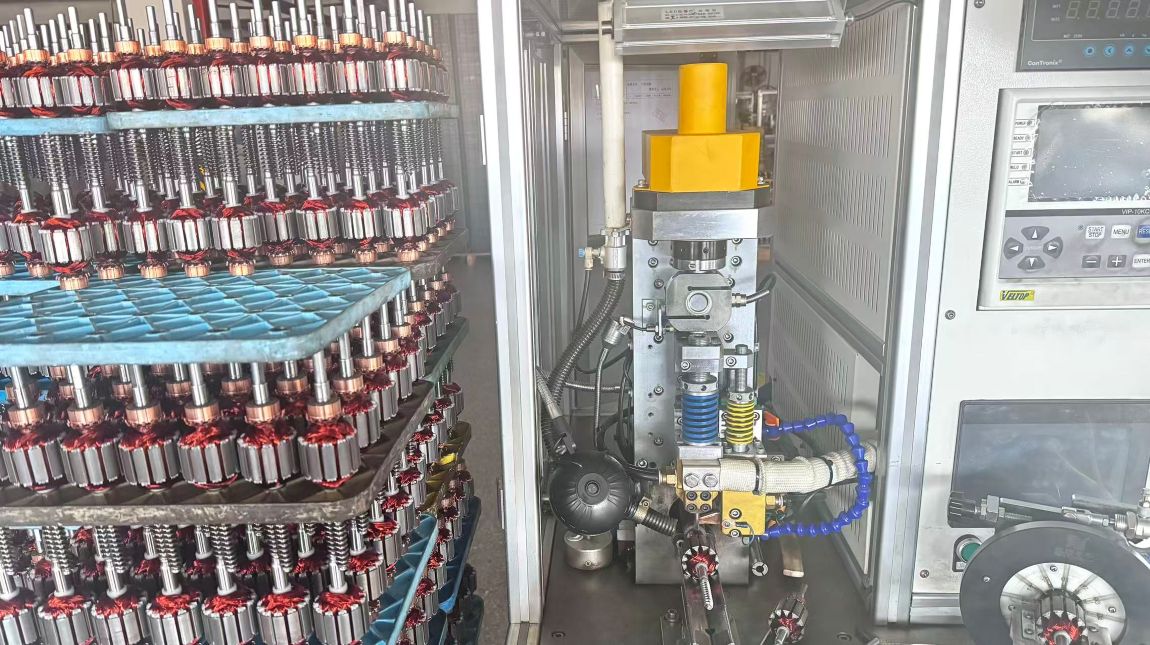
From precision silicon steel lamination cutting and automatic winding machines to dynamic balancing diagnostic beds, all processing steps are carried out within our integrated manufacturing system.
Custom housings, non-standard shaft configurations, and special electromagnetic windings can be prototyped in days rather than months, keeping your development timeline on track.
Evaluating total cost of ownership (TCO) and choosing the right motor architecture for your load profile.
When selecting direct drive motors for enterprise-scale integration, engineers and procurement leads must look beyond initial unit costs. Factors like mechanical integration complexity, required driver/inverter feedback loops, and thermal management are major components of overall system cost. Choosing high-efficiency direct drive motors helps reduce energy footprint and minimizes thermal dissipation requirements inside enclosed system cabinets.
| Performance Metrics | Direct Drive Motors (DDM) | Standard Geared Brushless Motors | Traditional Brushed DC Motors |
|---|---|---|---|
| Mechanical Backlash | Absolute Zero | 0.5° to 3° (Depending on stage) | High (Variable by gear coupling) |
| Mechanical Efficiency | 90% - 96% | 65% - 85% (Friction losses) | 50% - 70% |
| Acoustic Noise (db) | Ultra Low (<35 dB) | Medium to High | High (Carbon brush friction) |
| Maintenance Interval | Virtually Maintenance Free | Periodic gearbox lubrication | Brush replacement required |
| System TCO (5 Years) | Very Low (Fewer replacements) | Medium | High (System downtime costs) |
Staying ahead with next-generation materials and integrated drive electronics.
The direct drive motor market is transitioning toward higher levels of system integration and energy efficiency. Industrial sectors are moving away from centralized control architectures to localized, smart nodes. Key trends shaping the future of direct drive technology include:
Traditional motor installations require routing sensitive encoder feedback and multi-phase power cables back to a central control cabinet. Modern direct drive units increasingly integrate driver and power electronics directly into the motor housing. This configuration reduces EMI emissions, simplifies system wiring, and optimizes space usage in compact machines.
Direct drive motors operate without gearing to smooth out speed variations. To maintain stable torque at very low speeds, high-resolution optical and magnetic absolute encoders are integrated into the assemblies. Modern installations regularly employ 20-bit to 24-bit feedback systems, allowing the controller to detect micro-rotations and apply immediate current adjustments.
By using precision orthocyclic winding and concentrated pole layouts, manufacturers can pack more copper volume into stator slots. This high fill factor maximizes torque output per unit volume, creating lighter, more compact direct drive units.
Where direct drive performance characteristics meet demanding real-world requirements.
Medical liquid dosing systems and dialysis pumps require pulse-free flow rates. The low-cogging torque profile of direct drive motors ensures precise, vibration-free fluid delivery, enhancing patient safety and diagnostic reliability.
Silicon wafer transport systems require cleanroom-compatible operation with zero outgassing. Because direct drive motors eliminate gearboxes that require grease lubrication, they prevent wear particles from contaminating sensitive cleanroom environments.
Joint assemblies in modern cobots need to be highly back-drivable to ensure safe human interaction. The low mechanical impedance of direct drive systems makes them highly sensitive to external touch forces, enabling reliable torque-sensing safety routines.
Expert insights regarding direct drive motor selection, system integration, and regulatory compliance.
A: A Direct Drive Motor links the rotor directly to the load without any transmission gears. A geared motor uses a mechanical gear box to reduce rotational speed and increase torque output. While geared systems offer higher static torque at lower costs, direct drive systems eliminate backlash, improve precision, lower acoustic noise, and have a longer operational lifespan.
A: CE certification confirms that the motor complies with essential European safety, health, and environmental standards (LVD 2014/35/EU and EMC 2014/30/EU). For global OEMs, using CE-certified components streamlines the overall certification process for their end-user machinery in international markets.
A: Because direct drive motors operate at lower speeds with higher continuous torque, managing thermal performance is a key design consideration. We optimize dissipation by utilizing high-conductivity aluminum housings, precision-milled cooling fins, and thermal paste interfaces. For extreme duty cycles, we also offer custom liquid-jacketed designs.
A: Yes, AxisPro specializes in custom OEM/ODM solutions. We regularly customize output shaft dimensions (including hollow shafts for cable routing, D-flats, and splines), wind motors for specific input voltages, and adapt mounting flanges to fit existing customer space envelopes.
A: Our ISO9001-certified factory uses incoming inspection protocols (IQC) for all critical raw materials. We source our NdFeB magnets with strict temperature stability ratings, use high-purity copper magnet wire, and source bearings from verified manufacturers to ensure long-term mechanical reliability.
A: Standard prototype modifications (e.g., customized shafts or specific electrical windings) are typically delivered within 2 to 3 weeks. Full custom designs requiring new casting tooling generally take 6 to 8 weeks, including initial engineering validation tests.
Explore additional high-performance solutions from our production facility to meet your precise application demands.
 AxisPro Motor