The hydraulic pump industry is a vital segment of the global manufacturing sector. According to a report by MarketsandMarkets, the hydraulic pump market is projected to reach USD 13.62 billion by 2025, growing at a CAGR of 4.8%. This growth indicates a rising demand for hydraulic pumps across various applications. In China, hydraulic pump suppliers are increasingly critical for global buyers. Their innovations and robustness meet the growing needs within industries such as construction, agriculture, and manufacturing.
However, not all suppliers are equal in reliability and quality. Many international buyers struggle to identify trustworthy suppliers amidst a large and competitive market. A poorly chosen supplier can lead to significant operational delays and financial losses. It's essential for buyers to seek suppliers with a proven track record and solid industry reputation. This makes understanding supplier capabilities and their market standing crucial for informed decisions.
Examining the top hydraulic pump suppliers in China, buyers can better navigate this complex landscape. Each supplier brings unique strengths and challenges. Engaging with a knowledgeable supplier can enhance efficiency and productivity in operations. Thus, choosing wisely remains a critical factor for success in sourcing hydraulic pumps from China.
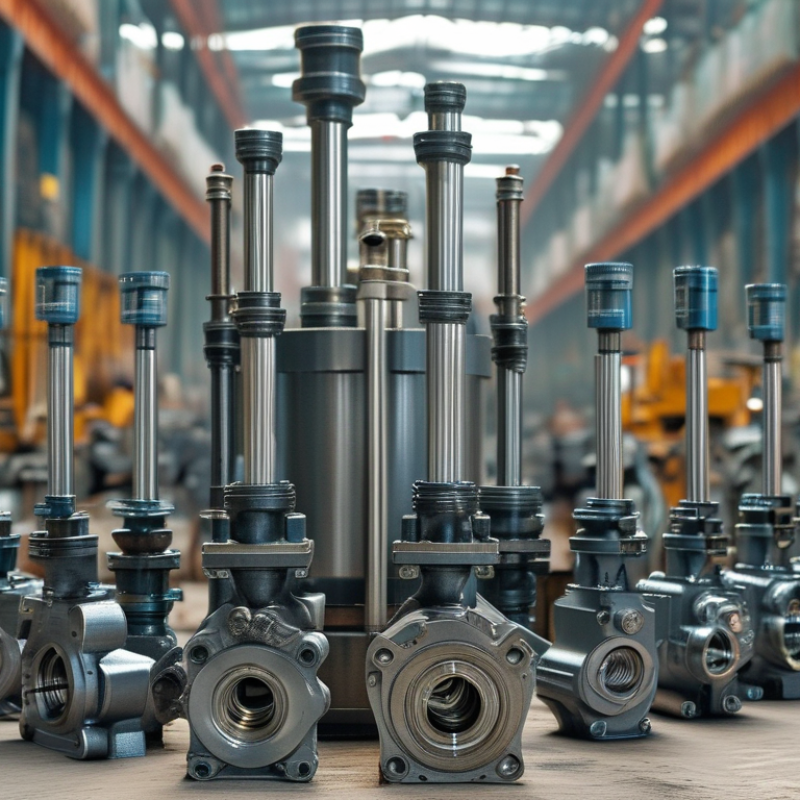
When selecting hydraulic pump suppliers in China, several key factors come into play. Quality assurance is paramount. Look for suppliers that uphold stringent quality control standards. Their commitment to quality reflects on the products they deliver. Investigating production techniques can reveal a lot about reliability.
Another important factor is the supplier's experience in the industry. Long-established suppliers often have the technical know-how to handle diverse requirements. They often provide tailored solutions and extensive support. Additionally, consider their customer service. Responsiveness can significantly influence your project's success. Delays in communication can lead to costly setbacks.
Pricing and delivery timelines are also crucial. It's essential to assess whether the supplier can meet your budget and deadlines. Be wary of suppliers who offer very low prices; they may compromise on quality. Exploring customer reviews can provide insights into their reputation. Consistent positive feedback is a good sign, but be open to both compliments and criticisms. Understanding their weaknesses can help make an informed choice.
The hydraulic pump industry in China is rapidly evolving. It plays a vital role in various sectors, including construction, manufacturing, and agriculture. With a vast manufacturing base, China produces a significant portion of the world’s hydraulic pumps. The industry's growth is fueled by increasing demand for automation and efficient machinery.
However, challenges also exist. Quality control can be inconsistent. Some manufacturers struggle to meet international standards. This discrepancy can affect global buyers’ trust. Buyers need to perform due diligence. They should research supplier credibility and product quality. Engaging with local experts can provide valuable insights.
Emerging trends show a shift towards eco-friendly hydraulic solutions. Companies are investing in technology to enhance sustainability. This transition may lead to increased operational costs initially. Yet, the long-term benefits could outweigh these challenges. Being aware of these dynamics is crucial for informed decision-making.
| Rank | Supplier Type | Annual Revenue (USD) | Production Capacity (Units/Year) | Established Year | Main Export Markets |
|---|---|---|---|---|---|
| 1 | Manufacturer | $150M | 500,000 | 1995 | North America, Europe |
| 2 | Distributor | $120M | 300,000 | 2000 | Asia, Europe |
| 3 | Manufacturer | $100M | 400,000 | 1998 | Middle East, Africa |
| 4 | Manufacturer | $80M | 250,000 | 2005 | North America, Asia |
| 5 | Distributor | $75M | 200,000 | 2010 | Latin America, Europe |
| 6 | Manufacturer | $70M | 300,000 | 2012 | Europe, Asia |
| 7 | Distributor | $60M | 150,000 | 2015 | Asia, Africa |
| 8 | Manufacturer | $55M | 100,000 | 2017 | Europe, North America |
| 9 | Manufacturer | $50M | 80,000 | 2016 | Asia, Middle East |
| 10 | Distributor | $45M | 120,000 | 2019 | Latin America, Europe |
The hydraulic pump market in China has seen impressive growth. Reports indicate a compound annual growth rate (CAGR) of around 5.8% over the next five years. This growth is driven by rising demand in construction and manufacturing sectors. Manufacturers focus on innovation and efficiency to meet buyer needs.
Key performance metrics are crucial for evaluating hydraulic pump suppliers. These metrics include product reliability, energy efficiency, and customer satisfaction rates. According to recent industry studies, reliable hydraulic pumps reduce downtime by up to 20%. Energy-efficient models can cut operational costs by 15%. Customer satisfaction is essential, with some suppliers achieving ratings over 90%.
However, challenges remain. Quality control can impact overall performance and reputation. Many manufacturers struggle with consistent product quality. There's also intense competition, which may affect pricing strategies. Navigating these factors is vital for global buyers seeking reliable hydraulic pump sources in China.
Hydraulic pumps play a crucial role in various industries. Their innovation journey ties into ongoing research and technological advancements. Current trends showcase a shift toward more energy-efficient designs. Many hydraulic pumps are now built to reduce operational noise and enhance durability. These changes meet the rising demand for sustainable solutions.
Advanced materials are shaping hydraulic pump technology. Lightweight alloys and composites provide more robust structures. This innovation not only impacts performance but also maintenance costs. However, the adoption of new materials often comes with challenges. Manufacturers must conduct tests to ensure longevity and reliability of these substitutes.
Data-driven approaches are becoming more common in hydraulic pump engineering. IoT integration allows for real-time monitoring of pump performance. This technology aids in predictive maintenance, reducing downtime. Yet, it raises concerns about data security and user privacy. Companies must navigate these complexities while fostering innovation.
The landscape of global trade policies significantly impacts China's hydraulic pump export market. Recent trade tensions have led to uncertainties in international transactions. Tariffs and export restrictions can disrupt supply chains, making it essential for manufacturers to adapt. This creates a need for flexibility in production and logistics.
Many Chinese suppliers often face challenges in complying with various trade regulations. Some exporters lack the resources or knowledge to navigate complex rules. Consequently, this can lead to delays or increased costs. Furthermore, without a clear understanding of target markets, businesses might miss vital opportunities.
Nonetheless, China's hydraulic pump industry shows resilience. Manufacturers are exploring innovative solutions to address these challenges. They are investing in technology to enhance efficiency. Additionally, companies are seeking partnerships with international firms to ensure compliance and stability. Building a strong network can facilitate smoother operations. However, ongoing changes in global trade policies necessitate continuous adaptation.
: Quality assurance is paramount. Suppliers should maintain strict quality control standards.
Experienced suppliers often offer tailored solutions. They understand diverse industry requirements better.
Good customer service ensures timely responses. Delays can lead to project setbacks and increased costs.
Pricing is crucial but be cautious of very low offers. They may indicate compromised quality.
Reviews provide insight into a supplier’s reputation. Look for consistent feedback, both positive and negative.
Quality control issues persist. Some manufacturers struggle with international standards, affecting buyer trust.
There is a shift towards eco-friendly solutions. Companies are investing in technology for sustainability.
Conduct thorough research on suppliers. Engage local experts for insights to validate supplier credibility.
Some suppliers may overpromise and underdeliver. Understanding their weaknesses can lead to better choices.
Ensure suppliers can meet deadlines. Delayed deliveries can disrupt your project timeline significantly.
The article "Top 10 Hydraulic Pump Suppliers in China for Global Buyers" serves as a comprehensive guide for international businesses seeking reliable hydraulic pump suppliers. It emphasizes the importance of evaluating various factors such as supplier reputation, technology advancements, and performance metrics before making sourcing decisions.
The hydraulic pump industry in China is characterized by rapid innovation and competitive pricing, which positions it as a significant player in the global market. The article also analyzes how global trade policies affect the export dynamics of hydraulic pumps from China. By understanding these elements, global buyers can effectively navigate the landscape and select suppliers that meet their operational needs and quality standards.

AxisPro Motor