Top 10 Electric Motors Every Engineer Should Know About?

Time:2026-06-26 Author:Liam
0%

Electric motors play a crucial role in modern engineering and industry. They are essential components in everything from household appliances to industrial machinery. According to a report by the International Energy Agency, electric motors account for approximately 45% of global energy consumption in industry. This staggering figure highlights their importance in energy efficiency efforts.

Understanding different electric motors can help engineers make informed decisions. There are various types, including AC, DC, and stepper motors, each serving unique purposes. Data from the U.S. Department of Energy indicate that improved motor efficiency could save around $7 billion annually. However, many engineers might overlook essential details about motor specifications and applications.

Each electric motor has strengths and weaknesses that must be evaluated. For example, while AC motors are durable and reliable, they might not perform well at low speeds. Likewise, DC motors can offer precise control but may require more maintenance. This complexity underscores the need for engineers to be well-versed in electric motor technology to optimize performance and energy use.
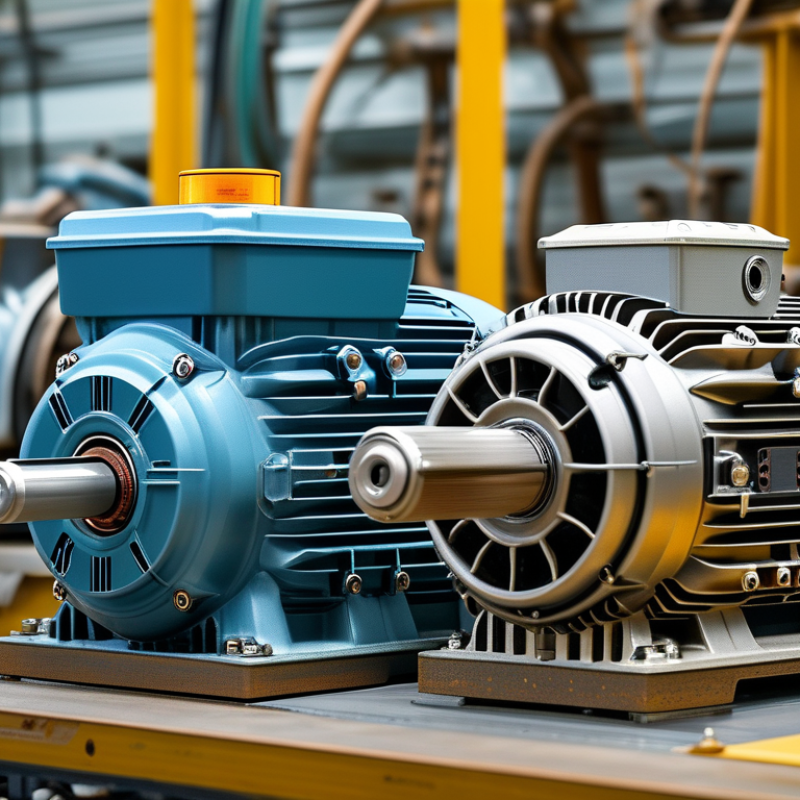
Top 10 Electric Motors Every Engineer Should Know About?

Types of Electric Motors and Their Applications in Engineering

Electric motors play a crucial role in modern engineering. There are several types, each with unique applications. Induction motors are widely used in industrial settings. They are favored for their reliability and low maintenance costs. According to a recent industry report, induction motors comprise about 60% of the global motor market. They are popular in pumps, conveyor systems, and fans.

Brushed and brushless DC motors are prevalent in consumer electronics. Their efficiency and performance make them suitable for devices like electric vehicles and drones. A study indicated that brushless DC motors can be up to 90% efficient. This efficiency can lead to significant energy savings. However, their higher initial cost can be a barrier for some engineers.

Stepper motors are often utilized in applications requiring precise control. Robotics and CNC machines frequently rely on them. These motors allow for specific movement angles and precise positioning. Nonetheless, they can struggle with high-speed operations. Engineers must assess the trade-offs to choose the right motor for their projects, ensuring optimal performance and cost-efficiency.

Key Features and Advantages of Each Electric Motor Type

Electric motors are vital in various applications across industries. Understanding their key features can help engineers make informed decisions. One common type is the AC induction motor. It often features a simple design and low maintenance needs. The global AC motor market is projected to grow at a CAGR of 6% through 2026, highlighting its importance in industrial uses.

Another significant motor type is the brushless DC motor. This technology offers higher efficiency and longer lifespan compared to brushed motors. These motors also minimize electromagnetic interference. According to a report by Allied Market Research, the brushless DC motor market will reach $20 billion by 2027. Such data underscores their relevance in automotive and robotics.

Stepper motors also deserve attention. They provide precise control, making them ideal for applications like 3D printing. However, they can face issues with overheating and resonance. A research study by IEEE indicates that optimizing control algorithms is crucial to maximize their efficiency. Engineers must weigh these challenges against their benefits in design choices.

Comparative Analysis of Efficiency and Performance Metrics

Electric motors are crucial in modern engineering. Their efficiency and performance can vary widely. Understanding these differences is vital for engineers. Efficiency in electric motors measures how well they convert electrical energy into mechanical energy. High-efficiency motors save energy, reduce operational costs, and minimize environmental impact.

Performance metrics include torque, speed, and power output. An engineer must match motors to specific applications. For example, a motor with high torque is ideal for heavy machinery. In contrast, a high-speed motor suits applications requiring rapid movement. This nuanced knowledge helps engineers make informed decisions.

Tips: Choose motors based on load requirements. Consider potential heat generation. A motor that seems ideal can be less efficient under certain loads. Regularly assess performance metrics in real-world conditions. Adjustments may be needed for optimal operation. Understanding motor characteristics is key to engineering success. Don’t overlook the importance of efficiency ratings. They reflect real-world performance and cost savings.

Top 10 Electric Motors Every Engineer Should Know About

Motor Type Efficiency (%) Torque (Nm) Power Rating (kW) Speed (RPM)
AC Induction Motor 90 45 5 1800
Brushless DC Motor 85 30 10 3000
Stepper Motor 75 0.5 1 1200
Synchronous Motor 92 60 15 1500
Universal Motor 80 10 2 25000
Switched Reluctance Motor 87 20 3 2000
Linear Motor 88 5 1.5 2000
Permanent Magnet Motor 90 25 8 3000
Capacitor Start Motor 82 15 6 3600

Innovative Technologies in Electric Motor Design and Manufacturing

The evolution of electric motor design is crucial in various industries. Innovative technologies like additive manufacturing are transforming production methods. Reports indicate that advanced motor designs can improve efficiency by up to 20%. This leads to reduced energy consumption, which is essential in today's climate.

Another significant trend involves the use of smart materials. Engineers are exploring materials that change properties in response to external stimuli. For example, piezoelectric materials can generate electric charge under stress. This can lead to more responsive and adaptable motor systems. However, integrating these materials brings challenges. Reliability and consistency in performance must be tested extensively.

Magnetic levitation technology is also on the rise. It reduces friction and wear, potentially doubling the lifespan of motors. While the technology shows promise, it is still in the early stages. Engineers must address cost and scalability issues before widespread adoption. Continuous research and development are essential for realizing the potential of these innovations.

Future Trends and Developments in Electric Motor Technology

Electric motors are evolving rapidly. The future of electric motor technology lies in efficiency and sustainability. Innovative designs are crucial to reduce energy consumption. Electric motors will soon incorporate advanced materials. These materials improve performance and reduce weight. Manufacturers are focusing on enhanced magnetic materials, which lead to greater efficiency.

Another trend is the integration of smart technologies. Electric motors will leverage sensors and connectivity. This allows for real-time data monitoring and predictive maintenance. However, these advancements can introduce complexities in design. Engineers must navigate between technology and practicality. A balance is necessary to achieve reliability.

Electric motors are also becoming more versatile. Applications span various industries, from automotive to robotics. The demand for compact, powerful motors is rising. Yet, precision in manufacturing remains a challenge. Engineers must continually adapt to these shifting demands. As electric motors become ubiquitous, ongoing research is essential. It’s vital to ensure that innovations meet safety and environmental standards.

Top 10 Electric Motors Every Engineer Should Know About

This chart illustrates the maximum efficiency percentages of various types of electric motors commonly used in engineering applications, showcasing the future trends and developments in electric motor technology.

FAQS

: What are the most common types of electric motors used in engineering?

: Induction motors are widely used in industries. They make up about 60% of the global motor market.

Why are brushed and brushless DC motors popular in consumer electronics?

Their efficiency and performance suit devices like electric vehicles and drones. Brushless motors can be up to 90% efficient.

What are stepper motors commonly used for?

Stepper motors are crucial in robotics and CNC machines. They provide precise movement and positioning.

What challenges do stepper motors face?

They often struggle with high-speed operations. This can limit their effectiveness in certain applications.

How are electric motors evolving in terms of technology?

Future motors will focus on efficiency and sustainability, integrating advanced materials for better performance.

What role do smart technologies play in electric motors?

Smart technologies enable real-time monitoring and predictive maintenance. However, they add design complexities.

Why is precision in manufacturing important for electric motors?

Precision is essential to meet the growing demand for compact, powerful motors across various industries.

What is a key concern for engineers in motor design?

Balancing technology and practicality is crucial. Innovations must also comply with safety and environmental standards.

How does cost affect the use of brushless DC motors?

Their higher initial cost can be a barrier for some engineers despite their significant energy savings.

What should engineers consider when selecting a motor?

They need to assess trade-offs between performance and cost-efficiency for their specific projects.

Conclusion

This article explores the essential types of electric motors that every engineer should be familiar with, detailing their various applications in engineering fields. It highlights key features and advantages of each motor type, providing insights into their efficiency and performance metrics. The comparative analysis underscores how different electric motors meet specific engineering requirements, thereby assisting in design and application decisions.

Moreover, the article delves into innovative technologies that are shaping electric motor design and manufacturing processes. It also addresses future trends and developments in electric motor technology, emphasizing the importance of staying abreast of advancements to ensure optimal performance and sustainability in engineering practices. Overall, a solid understanding of electric motors is crucial for engineers looking to leverage their capabilities in modern applications.

Liam

Liam

Liam is a dedicated marketing professional with a profound expertise in the industry, where he excels at highlighting the unique advantages of our core products. With a keen understanding of market trends and consumer needs, Liam frequently updates our company’s professional blog, providing......