Choosing the right DC Gear Motor can be a daunting task. With numerous options available, it's essential to make an informed decision. The right gear motor can significantly impact your project. It's not just about selecting any motor; understanding your specific needs is crucial.
Experience matters when selecting a DC Gear Motor. Many factors come into play, such as torque, speed, and efficiency. Each project's requirements differ, and sometimes the most powerful motor may not be the best choice. Reliability is another important aspect. A high-quality motor ensures consistent performance over time.
Consider the integration of this motor into your design. Compatibility with other components can save you from future headaches. Keep in mind that not all motors are equal. Research and evaluate options carefully. Users often overlook essential details, which can lead to regret later. Take the time to reflect on your choices, and you'll find the right DC Gear Motor for your needs.
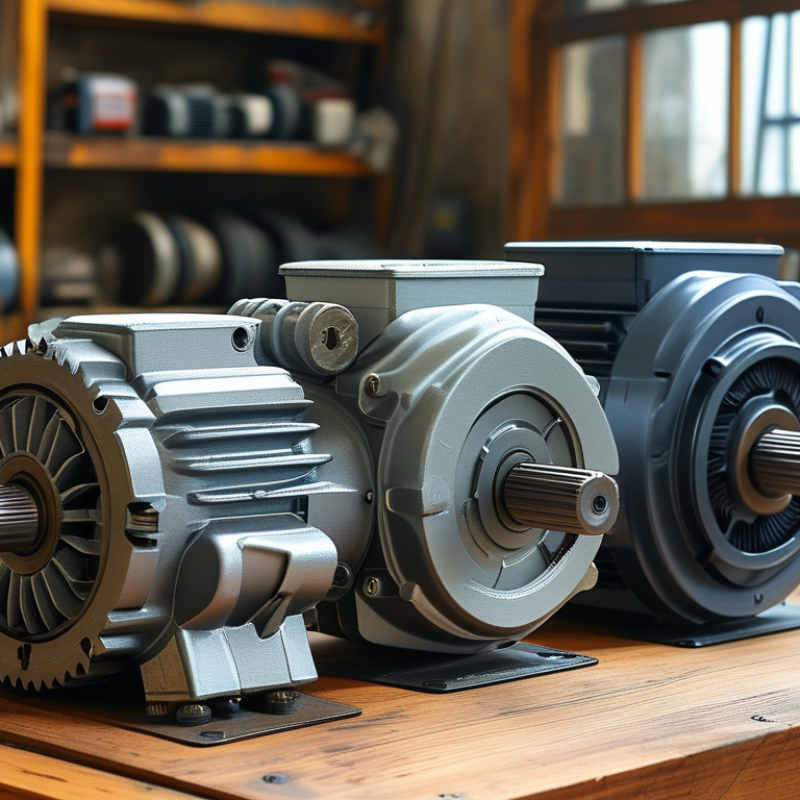
Understanding DC Gear Motor Basics: Definitions and Applications
When it comes to selecting a DC gear motor, understanding its fundamentals is crucial. DC gear motors are vital components in various applications, including robotics, automation, and electric vehicles. In 2022, the global DC gear motor market reached approximately $1.4 billion and is projected to grow at a CAGR of 5.2% through 2030. This growth reflects an increasing demand for precision and efficiency in motor applications.
The core function of a DC gear motor is to provide mechanical power with controlled speed and torque. Typically, they combine a direct current motor with a gearbox. The gear reduction results in higher torque and lower speed. For instance, a motor rated at 12V might produce a different torque value when paired with various gear ratios. It’s essential to match these specifications to your application’s requirements. Choice of materials and assembly techniques can significantly influence performance and reliability, impacting the lifespan of the motor.
However, not all applications demand high-performance gear motors, leading to misinterpretations in specifications. Some users may prioritize low-cost options over durability, risking motor failure in demanding environments. Therefore, assessing the working conditions and load factors is vital. A recent industry report highlighted that about 30% of motor failures are attributed to misapplication. This statistic serves as a reminder to evaluate your application thoroughly, ensuring that the DC gear motor selected will perform effectively over time.
Top 10 Tips for Choosing the Right DC Gear Motor
| Tip No. |
Consideration |
Detail |
| 1 |
Understand Torque Requirements |
Identify how much torque is needed for your application. |
| 2 |
Select Gear Ratio |
Choose an appropriate gear ratio to balance speed and torque. |
| 3 |
Assess Voltage Ratings |
Match the motor voltage with your power supply. |
| 4 |
Evaluate Size and Weight |
Ensure the motor fits within your design constraints. |
| 5 |
Look for Efficiency Ratings |
Opt for motors with high efficiency to save energy. |
| 6 |
Investigate Environment Adaptability |
Consider temperature, humidity, and exposure levels. |
| 7 |
Check for Noise Levels |
Choose quieter motors for noise-sensitive applications. |
| 8 |
Explore Control Options |
Assess compatibility with controllers and interfaces. |
| 9 |
Review Manufacturer Support |
Choose brands that offer good technical support. |
| 10 |
Budget for Costs |
Plan for the total cost including components and shipping. |
Identifying Your Project Requirements: Load, Speed, and Torque Considerations
When selecting a DC gear motor, understanding your project requirements is crucial.
Load, speed, and torque play significant roles in determining the right motor.
Load refers to the weight that the motor must move. Assess the maximum load accurately.
Underestimating this can lead to motor failure.
Speed defines how fast the motor must operate. Different applications require various speed levels.
For instance, robotics may demand quick responses, while conveyors might need consistent, slower speeds.
It is essential to match speed specifications with your application's needs.
Torque is the final piece of the puzzle. It's the turning force that the motor produces.
High torque is necessary for heavy loads, while low torque suffices for lighter applications.
Calculating required torque is not straightforward. It's often a trial-and-error process.
Consider factors like friction and incline when estimating. Make adjustments as needed throughout the project.
Understanding these parameters can prevent costly mistakes and enhance your design's effectiveness.
Evaluating Gear Ratios: Impact on Performance and Efficiency
When choosing a DC gear motor, evaluating gear ratios is crucial.
Gear ratios determine how the motor’s speed and torque behave.
A higher ratio means more torque but lower speed.
Conversely, a lower ratio offers higher speeds but less torque.
This balance is essential for specific applications, such as robotics or conveyor systems.
Understanding gear ratios helps in selecting the right motor for your needs.
Consider the operational environment.
For example, a motor used in a heavy-load lifting application may require a higher gear ratio for better torque.
However, this might lead to inefficiencies in speed, which could slow down operations.
On the other hand, too low of a gear ratio in a fast-moving conveyor could cause the system to struggle under heavy loads.
Striking the right balance often requires trial and error.
It's vital to test various configurations to find the optimal setup.
Additionally, some applications necessitate responsiveness in speed changes.
In such situations, a moderate gear ratio may be more effective.
Engineers should keep in mind that not all gear ratios provide the same efficiency.
Small adjustments can lead to significant differences in performance.
Regular assessments of the gear motor in real-world conditions can reveal inefficiencies.
This reflective process ultimately contributes to more informed decisions in choosing the right DC gear motor.
Assessing Motor Types: Brushed vs. Brushless DC Gear Motors
When selecting a DC gear motor, understanding the differences between brushed and brushless options is crucial.
Brushed motors are known for their simplicity and cost-effectiveness. They typically have a longer history in various applications. However, they tend to produce more heat and may require more maintenance over time. Industry reports indicate that around 40% of users encounter reliability issues with brushed motors in high-demand applications.
On the other hand, brushless DC motors are increasingly popular due to their higher efficiency and longer lifespan. They eliminate the wear and tear associated with brushes, providing a boost in performance.
According to recent studies, brushless motors can achieve up to 90% efficiency compared to 75% for brushed options. These motors also generate less heat, reducing the risk of thermal failure. However, the initial investment is generally higher, which may make decision-making challenging.
Both motor types have their advantages and weaknesses. It's essential to assess the specific requirements of your project, including budget constraints and performance expectations. Understanding these factors will help you choose the right motor for optimal results. Evaluating application needs against motor characteristics can lead to better long-term performance.
Analyzing Efficiency Ratings: Importance of Power Consumption and Lifespan
When selecting a DC gear motor, efficiency ratings are crucial. Power consumption directly affects operational costs. Research indicates that a motor's efficiency can vary widely, with some models operating at over 90% efficiency. This high efficiency minimizes energy waste and reduces utility expenses. By choosing a motor with strong efficiency ratings, businesses can significantly lower their long-term costs.
Lifespan is another essential factor to consider. A well-crafted DC gear motor can operate efficiently for up to 10,000 hours under optimal conditions. However, lower-quality models often fall short, sometimes lasting just a fraction of that time. This inconsistency leads to unexpected replacements and interruptions in workflow. Investing in a reliable motor may mean higher upfront costs but ultimately ensures stability and reliability in operations.
In an industry increasingly focused on sustainability, energy-efficient motors are not just beneficial but essential. A report from the International Energy Agency reveals that improving motor efficiency could reduce global electricity consumption by 10%. Yet, many buyers overlook these ratings, leading to equipment that may not meet their operational needs. Decision-makers should critically assess both power consumption and expected lifespan to achieve the best outcomes.
FAQS
: Gear ratios affect a motor's speed and torque. They are crucial for selecting the appropriate motor.
A higher gear ratio offers more torque but reduces speed. This is ideal for heavy lifting applications.
Yes, low gear ratios can struggle with heavy loads in fast-moving systems, impacting overall performance.
Testing various configurations is essential. This trial and error approach helps determine the optimal setup.
Efficiency ratings impact power consumption and long-term costs. Higher efficiency can significantly lower utility expenses.
A well-made motor may last up to 10,000 hours. However, low-quality options could fail much sooner.
Assess both power consumption and expected lifespan. Many overlook these factors, affecting their operational effectiveness.
Improving motor efficiency could reduce global electricity use significantly, highlighting their importance in modern industries.
Conclusion
When selecting the right DC Gear Motor for a project, it is essential to understand the foundational aspects of these motors, including their definitions and various applications. Each project has specific requirements, such as load, speed, and torque, which must be carefully assessed to ensure optimal performance. Evaluating gear ratios is also crucial, as they significantly impact the efficiency and effectiveness of the motor in various scenarios.
Additionally, one must consider the type of motor—brushed versus brushless—as each comes with its own set of advantages and disadvantages. Finally, analyzing the efficiency ratings of DC Gear Motors is vital to address both power consumption and lifespan, ultimately leading to a more sustainable and effective solution for your project needs. By taking all these factors into account, you can confidently choose the most suitable DC Gear Motor for your application.

 AxisPro Motor