How to Choose the Right Two Way Motor for Global Sourcing?

Time:2026-10-13 Author:Isabella
0%

Choosing the right Two-Way Motor for global sourcing requires more than comparing prices and catalog photographs. The motor must match the machine’s load, movement pattern, voltage, control system, and working environment. A compact actuator may look suitable, yet fail under repeated reversing cycles or heavy starting torque. These details deserve practical testing.

Experienced purchasing teams usually begin with measurable requirements. Confirm rated torque, speed, duty cycle, noise level, insulation class, shaft dimensions, and expected service life. Check whether the motor supports precise forward and reverse control. Sample testing should include cold starts, continuous operation, emergency stops, and repeated direction changes. Real equipment reveals problems that specifications may hide.

Supplier evaluation also matters. Review factory production records, quality procedures, test reports, and previous export experience. Ask for traceable materials and consistent inspection data. Verify regional voltage compatibility, packaging strength, delivery capacity, and technical support after shipment. Certifications should be relevant to the destination market and independently verifiable. Do not rely on a logo alone.

Small details matter.

A reliable supplier should explain tolerances clearly, not simply promise “high quality.” Still, no checklist removes every sourcing risk. A sample may perform well while production consistency remains uncertain. That weakness should be acknowledged and monitored through pre-shipment inspections, agreed acceptance criteria, and documented corrective actions. Cost remains important, but a cheaper motor can create downtime, replacement expenses, and customer complaints. The best choice balances performance, compliance, serviceability, and total ownership cost across its intended market.
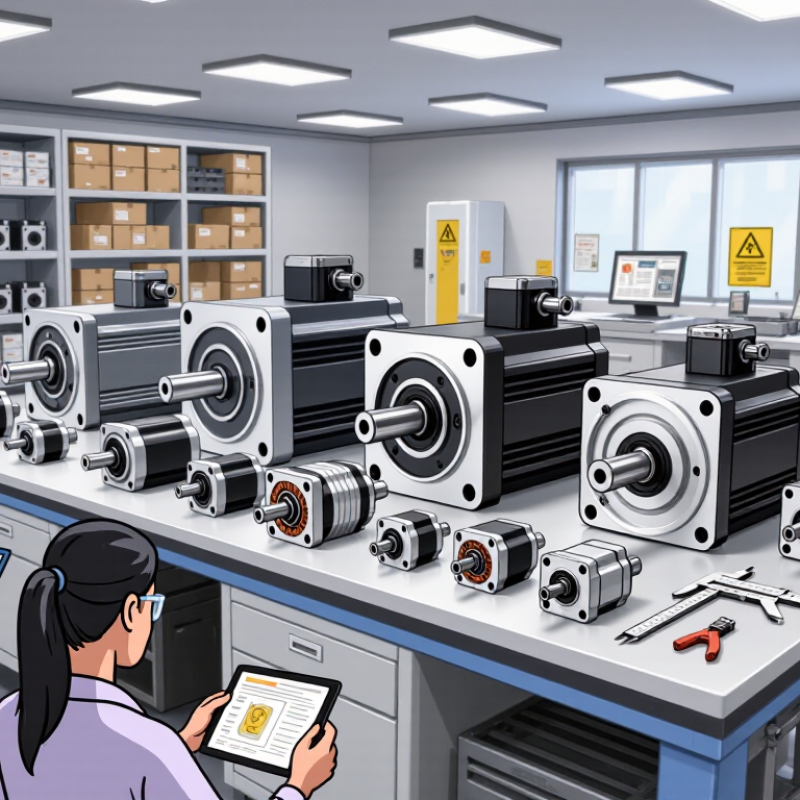
How to Choose the Right Two Way Motor for Global Sourcing?

Define the Application and Performance Requirements

How to Choose the Right Two Way Motor for Global Sourcing?

Define the Application and Performance Requirements

A two-way motor must match the real movement, not only the catalog description. Define rotation direction, speed, torque, load inertia, and operating position. Record the number of reversals per hour. A motor facing frequent starts needs different thermal capacity than one running continuously. It sounds obvious. It is often missed.

The U.S. Department of Energy’s 2021 Motor Systems Market Assessment reports that motor systems use about 68% of industrial electricity in the United States. Efficiency therefore affects operating cost, not just purchase price. Specify rated voltage, frequency, duty cycle, starting current, and allowable temperature rise. Global projects may require 50 or 60 hertz compatibility. Check both. A small mismatch can create unstable torque or overheating.

Environmental details also define performance. State the required ingress protection, humidity range, dust exposure, mounting position, and noise limit. For outdoor equipment, include cold starts and corrosion risk. The control method matters too. Mechanical reversing, relay control, or electronic control can produce different stopping accuracy and service demands. IEC 60034-30-1 provides a recognized framework for motor efficiency classes, but efficiency alone cannot confirm suitability. A high-efficiency motor may still fail with excessive reversals or poor braking. This is where specifications become uncomfortable: suppliers may quote peak torque, while the application needs continuous torque. Request test data under the actual load profile, and keep a tolerance margin for voltage variation, assembly errors, and imperfect field conditions.

How to Choose the Right Two-Way Motor for Global Sourcing?

Define the application and performance requirements before comparing motor suppliers.

Typical minimum torque requirements increase with load and mechanical resistance. For global sourcing, confirm the required torque, operating speed, duty cycle, control method, ambient temperature, and protection rating for the final application. Select a motor with sufficient continuous torque and an appropriate safety margin rather than relying only on peak torque.

Compare Two-Way Motor Types and Drive Mechanisms

Choosing a two-way motor starts with the load, not the catalogue image. In sourcing projects, I compare torque, travel speed, duty cycle, and available voltage together. A reversible AC induction motor suits shutters, valves, and moderate-speed equipment. It is durable, but direction changes may require a capacitor circuit or relay control. A brushed DC motor offers simple polarity reversal and strong starting torque. Its brushes wear over time, especially in dusty equipment. BLDC motors provide quieter operation and longer service life. However, they need an electronic controller and careful feedback settings.

The drive mechanism determines how safely the motor changes direction. An H-bridge reverses DC polarity electronically, allowing smooth acceleration and braking. A relay or contactor system is simpler and easier to inspect. It can create mechanical noise and must prevent both directions from activating together. For AC motors, phase-switching circuits or inverters can control direction and speed. An inverter gives better adjustment, but installation requires compatible motor insulation and correct parameter settings.

Check the real load.

A motor rated for high torque may still fail during repeated reversals. Ask the supplier for duty-cycle data, starting-current curves, thermal limits, and wiring diagrams. Test the motor with the actual gearbox, shaft, and load, not only a bench fixture. I have seen sourcing decisions based on rated power alone. That approach looks efficient, but it often misses heat buildup and stopping shock. Connector quality, enclosure protection, replacement parts, and local technical support also affect long-term reliability. A lower purchase price is not always a lower operating cost.

Evaluate Voltage, Control, and Safety Compatibility

How to Choose the Right Two Way Motor for Global Sourcing?

A two-way motor must match the destination power system before price enters the discussion. Check rated voltage, frequency, phase, current, and starting load. A 230 V motor may fail on a 220 V network under heavy duty. Frequency also affects speed and heating. The International Energy Agency reports that electric motor systems consume about half of global electricity. Small efficiency differences can become major operating costs. Ask suppliers for measured efficiency, locked-rotor current, duty cycle, and thermal limits. Do not rely only on a catalogue voltage.

Control compatibility matters just as much. Confirm whether the motor uses relay switching, pulse control, analog signals, or a digital bus. Reversing circuits need electrical and mechanical interlocking. Otherwise, forward and reverse commands may arrive together. That mistake is simple, but expensive.

Safety review should include limit switches, overload protection, emergency stopping, grounding, insulation, and enclosure rating. IEC 60204-1 and IEC 60335-1 provide useful benchmarks for machine and appliance safety. Certification alone is not enough; installation conditions still matter.

Tips: Request a wiring diagram, test report, and sample before bulk purchasing. Test both directions at the lowest and highest local voltage. Check noise, temperature rise, stopping distance, and restart behavior. Keep a written compatibility matrix. It may feel excessive. Field failures usually cost more than careful evaluation.

Assess Suppliers, Certifications, and Manufacturing Quality

Choosing the right two way motor for global sourcing starts with supplier assessment, not price. Request a documented production history for similar motor types and operating conditions. A serious supplier should explain torque, voltage, duty cycle, noise, and expected service life clearly. Ask for recent factory audit reports, process records, and customer reference details where confidentiality allows.

Certifications need careful checking. Verify the certificate number, issuing body, product scope, and expiration date. The certificate must cover the actual motor model, not merely a related product family. Request test reports for insulation, temperature rise, electrical safety, and endurance.

For overseas shipments, confirm that markings and technical files match the destination market. Paperwork can look convincing.

Inspect manufacturing quality through controlled evidence. Review incoming-material checks, winding records, soldering standards, gear alignment, and final-load testing. Ask how rejected units are isolated and how corrective actions are tracked. During a factory visit, examine workstations, calibration labels, storage conditions, and sample consistency. A motor that passes one test may still fail after repeated reversing cycles. Require batch samples and independent verification when the application is critical.

No audit is perfect. I have seen clean production lines hide weak traceability. That is worth challenging.

Build quality into the contract, including inspection rights, replacement terms, change notification, and retention samples. Leave room for engineering review after pilot production. Real confidence comes from repeated evidence, not one impressive factory tour.

Calculate Total Sourcing Cost and Manage Logistics Risks

How to Choose the Right Two Way Motor for Global Sourcing?

A two-way motor must reverse reliably under its actual load, voltage, and duty cycle. Start with torque, speed, shaft direction, brake needs, and operating temperature. A motor that passes a factory test may still fail after months of dust, moisture, and repeated starts. Specify limit switches, insulation class, ingress protection, and cycle life in the purchase agreement.

Calculate total sourcing cost, not only the unit price. Add tooling, samples, inspection, export packing, inland transport, insurance, duties, customs fees, financing, and warranty reserves. UNCTAD’s Review of Maritime Transport 2024 states that ships carry over 80% of global merchandise trade by volume. That scale also brings congestion and freight-rate exposure. The World Bank’s Logistics Performance Index 2023 evaluates customs, infrastructure, shipment reliability, and delivery timeliness. Use these factors when comparing supplier locations. My first quotation looked cheaper. It was not cheaper landed.

Tips: Request three Incoterms scenarios and separate every cost line. Test ten motors at low and high voltage. Record noise, heat, reversal delay, and current draw. Keep a 10–15% logistics contingency for unstable routes. This figure is practical, not universal. A spreadsheet can still lie when port storage or currency movement changes overnight. Ask suppliers for production capacity, spare-part lead time, and a documented failure-analysis process. Keep one approved backup source, even if its price is slightly higher.

FAQS

What information should be defined before choosing a two-way motor?

Record rotation direction, speed, torque, load inertia, and mounting position. Include reversals per hour, duty cycle, voltage, frequency, and temperature limits. Small omissions can cause large problems.

Why does reversal frequency matter?

Frequent starts and direction changes create heat and mechanical stress. A motor for continuous running may fail under repeated reversals. Check thermal capacity carefully.

Should global projects support both 50 and 60 hertz?

Yes, when equipment may operate across different regions. A frequency mismatch can cause unstable torque or overheating. Check both frequencies.

Which two-way motor type fits common applications?

Reversible AC motors suit shutters, valves, and moderate-speed equipment. Brushed DC motors offer simple polarity reversal and strong starting torque. BLDC motors run quietly but require electronic control.

How do drive mechanisms affect direction changes?

An H-bridge can provide smooth electronic reversing, acceleration, and braking. Relays or contactors are simpler but may create noise. The control system must prevent both directions from activating together.

Is rated torque enough for selecting a motor?

No. Rated torque may describe peak performance rather than continuous operation. Ask for starting-current curves, duty-cycle data, thermal limits, and stopping behavior. Peak numbers can mislead.

What environmental details should be included in the specification?

State ingress protection, humidity, dust exposure, mounting position, and noise limits. Outdoor equipment may need cold-start capability and corrosion resistance. The enclosure matters.

How should a supplier’s motor be tested?

Test the motor with the actual gearbox, shaft, connector, and load. Measure heat buildup during repeated reversals. A bench fixture may hide real problems.

Does higher efficiency always mean better performance?

No. Efficiency can reduce energy costs, but it cannot confirm application suitability. Use recognized efficiency classes as a reference, not a final decision. Heat tells the truth.

What other sourcing factors affect long-term cost?

Check connector quality, enclosure protection, replacement parts, and local technical support. A cheaper motor may require more maintenance or earlier replacement. Not always cheaper.

Conclusion

Choosing the right Two-Way Motor for global sourcing begins with a clear understanding of the application. Define the required load, speed, torque, operating cycle, noise level, installation space, and environmental conditions before comparing motor types and drive mechanisms. Consider whether the system needs reversible rotation, precise positioning, continuous operation, or simple directional control. Then verify that the motor’s voltage, frequency, control interface, braking method, and protection features are compatible with the target equipment and destination market.

Supplier evaluation is equally important. Review manufacturing consistency, quality-control procedures, testing capabilities, certifications, and technical support before placing an order. A reliable sourcing decision should also include a total cost analysis covering the motor, accessories, tooling, packaging, shipping, duties, installation, maintenance, and potential replacement expenses. Finally, assess production lead times, minimum order quantities, inspection arrangements, and logistics risks. A structured comparison helps buyers select a dependable Two-Way Motor that meets performance requirements while supporting predictable costs and smooth international procurement.

Isabella

Isabella

Isabella is a dedicated marketing professional with a sharp focus on driving brand growth and engagement through strategic content creation. With an extensive background in digital marketing, she combines her passion for storytelling with her keen understanding of industry trends to deliver......