Choosing the right Linear Motor can greatly impact your project's success. As Dr. John Smith, a renowned Linear Motor expert, emphasizes, “Not all Linear Motors are created equal.” Each project has unique requirements, making it essential to understand these differences.
Linear Motors offer precise motion control and high speed, but they come in various types. Selecting the wrong one can lead to inefficiencies or additional costs. It’s important to consider factors like load capacity, speed, and environmental conditions. These elements will guide your choice.
Moreover, not all manufacturers provide the same quality. Researching reputable suppliers is crucial. Reliability and support service can make or break your project. It's wise to reflect on past choices, ensuring that they align with your current goals. Understanding your needs now can avoid costly mistakes later.
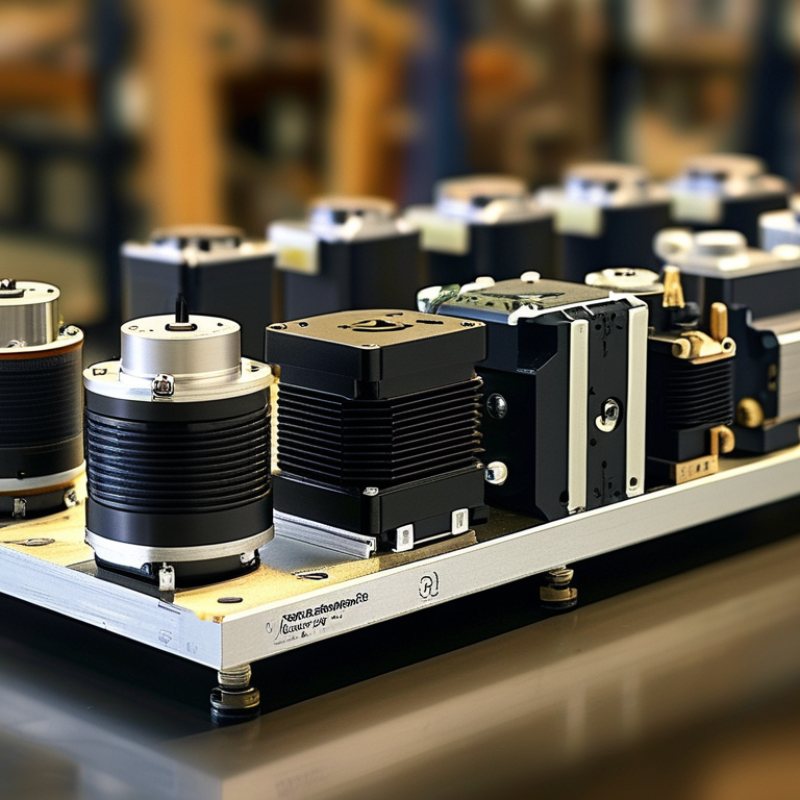
Linear motors are essential in various applications that require precise and efficient motion control. There are three common types: brushed, brushless, and voice coil motors. Brushed motors are widely used for their simplicity and low cost, but they may require maintenance. Brushless motors, on the other hand, provide higher efficiency and longer lifespans, making them suitable for demanding applications. Voice coil motors excel in applications needing rapid response and high precision.
The applications for linear motors are vast. They are pivotal in automation, robotics, and manufacturing tasks. For instance, in the semiconductor industry, they are used for wafer positioning with extreme accuracy. However, selecting the right motor can be challenging. An oversight in load capacity or speed requirements may lead to inefficient performance. Each application has unique demands that must be thoroughly considered. This understanding can significantly impact overall project success, as improper matches result in increased costs and project delays.
When selecting a linear motor, understanding key factors is essential. Consider the motor's load capacity. Each application has different requirements. Ensure the motor can handle the maximum load without straining. Underrating the capacity can lead to premature failure.
Speed is another crucial aspect. Different projects may need varying speeds for efficiency. Assess your timeline and performance needs before making a choice. Sometimes, fast isn't always best. A faster motor may result in less control and stability in specific applications.
Another factor is the accuracy required for your project. Precision can make or break your application. If your process requires tight tolerances, invest in a high-accuracy motor. Think about maintenance needs, energy efficiency, and installation costs, too.
Balancing these elements can be challenging. Reflect on your project goals and choose wisely.
When selecting a linear motor for your project, evaluating performance specifications is crucial. Speed, force, and precision are key metrics that determine the suitability of a motor. In industrial applications, a linear motor's speed can reach up to 10 meters per second, enabling rapid movements. However, attaining high speed often compromises acceleration and load capacity. One must carefully assess how speed interacts with other requirements.
Force is another vital consideration. Depending on the application, motors need to deliver specific thrust. Some reports indicate that high-power linear motors can produce forces ranging from 50 to 500 N. This wide range allows for versatility but requires careful matching with load demands. Miscalculating the necessary force can lead to inadequate performance.
Precision can significantly impact the overall effectiveness of a project. Typical resolutions for high-performing linear motors can reach as fine as 1 micron. Yet, achieving this level of precision requires advanced feedback systems. The integration of these systems can increase costs. Balancing cost-effectiveness with necessary specifications often presents a conundrum. Rethinking priorities can lead to better outcomes, even if it means compromising on one of these performance areas.
When selecting a linear motor, environmental considerations are crucial. The operational environment significantly influences the motor's performance and lifespan. According to a recent industry report, around 30% of linear motor failures stem from inappropriate environmental conditions.
Humidity and dust can impact the motor's reliability. For instance, a motor exposed to high humidity may suffer from corrosion. This can lead to premature failure, increasing maintenance costs. A clean and stable environment can extend a motor's life significantly. This aspect is often overlooked in many projects.
Temperature also plays a vital role. Motors operating in extreme conditions may require additional cooling mechanisms. A study shows that thermal management can improve performance by up to 20%. Assessing heat dissipation needs early in the design process can prevent potential overheating issues. Engineers must consider these factors to ensure optimal performance. This reflection is key to successful project execution.
When budgeting for a linear motor project, consider both initial costs and long-term expenses. High-quality motors often come with a higher price tag. Cheaper options may lure you in but could become costly over time due to maintenance and replacement. Assessing your project's specific needs will guide your decision-making process. A thorough needs analysis can help avoid unnecessary spending on features you won’t use.
Another key factor is installation and operational costs. Hiring skilled technicians can add to the budget. Training staff for effective use is another expense that can’t be overlooked. Sometimes, sourcing a reliable supplier can mitigate these costs. Take time to research and reach out to professionals. It pays to have clarity on all potential expenses before making a final decision. Neglecting this crucial step may lead to budget overruns. Being well-informed is essential to balancing quality and cost.
: Ensure the motor can handle the maximum load. Underrating capacity may lead to premature failure.
Speed is crucial but can compromise control and stability. Assess your project's performance needs before choosing.
Precision impacts the effectiveness of your project. For tight tolerances, invest in a high-accuracy motor.
Key metrics include speed, force, and precision. Evaluate how these interact for your specific requirements.
Higher quality motors may cost more upfront but can save on maintenance and replacement over time.
Consider installation costs and training for staff. Researching suppliers can also help mitigate expenses.
Yes, rethinking priorities may lead to better outcomes. Balance cost-effectiveness with necessary specifications.
Achieving high speed often reduces acceleration and load capacity, requiring careful assessment of all factors.
Installation and operational expenses can add up. Neglecting these can lead to budget overruns and stress.
Cheaper motors can lead to higher long-term costs due to maintenance. Analyze your project's needs carefully.
When selecting the right linear motor for your project, it is crucial to understand the various types and applications of linear motors. Key factors include assessing your specific needs regarding performance specifications such as speed, force, and precision, which are vital for the motor's effectiveness in the intended application. Additionally, environmental considerations, such as temperature and humidity, can greatly impact the choice of linear motor, ensuring it operates reliably in its designated setting.
Budgeting also plays a significant role in the decision-making process, as it affects the options available to you. By carefully evaluating these elements, you can make an informed decision that aligns with your project's requirements, ultimately leading to a successful implementation of linear motor technology.

AxisPro Motor