Choosing the right industrial motor is crucial for efficiency and productivity. An industrial motor powers various machines, impacting operation cost and reliability. Understanding different types and their applications is essential.
Many factors influence your choice. You must consider torque, speed, and power requirements. There are many designs available, each suited for specific tasks. A wrong selection can lead to inefficiency and increased maintenance costs.
Research and evaluating options can be overwhelming. It’s vital to consult with experts and manufacturers. Their insights can guide you toward the best fit. The right industrial motor not only enhances performance but also ensures safety and longevity. Take your time to make an informed decision; it will pay off in the long run.
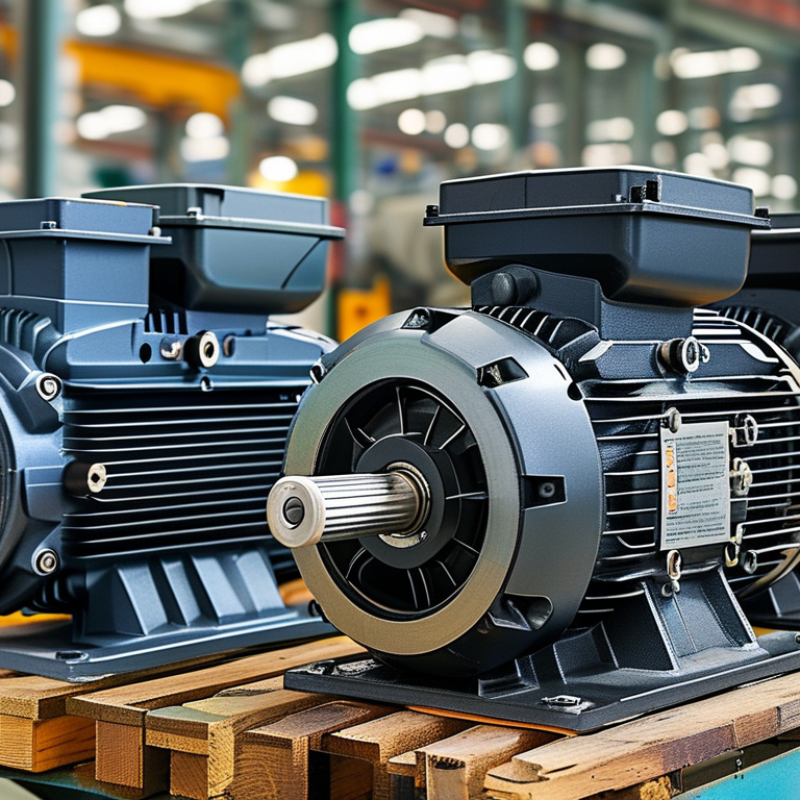
When selecting an industrial motor, understanding the different types available is crucial. Electric motors dominate the market, accounting for approximately 70% of all motors used in industrial applications according to the International Electrotechnical Commission. Within electric motors, you have options like AC motors and DC motors. AC motors are commonly used for applications requiring constant speed, while DC motors offer precise speed control, useful in robotics and automated systems.
Another key category includes servo motors and stepper motors. Servo motors are essential for applications requiring high precision. The precision helps ensure processes run smoothly. They are often used in CNC machines and robotics. Stepper motors, on the other hand, excel in applications needing precise positioning. Each motor type has its strengths and weaknesses. Users must consider factors like torque, speed, and the operating environment before making a choice.
Reliability also varies between motor types. A report by the Department of Energy highlighted that inefficient motors can lead to up to 30% energy loss. Energy efficiency matters significantly for long-term cost savings. It's important to reflect on not just the upfront costs, but the operational costs over time. Ultimately, the right choice depends on a precise understanding of your specific needs and operational goals.
| Motor Type | Power Range (HP) | Voltage Options | Efficiency Class | Common Applications |
|---|---|---|---|---|
| AC Induction Motor | 1 - 1000 HP | 230V, 460V, 575V | IE1, IE2, IE3, IE4 | Pumps, Fans, Compressors |
| DC Motor | 1 - 500 HP | 12V, 24V, 48V | N/A | Robotics, Elevators, Hoists |
| Servo Motor | 0.1 - 500 HP | 30V, 240V, 480V | High Efficiency | CNC Machines, Robotics |
| Synchronous Motor | 5 - 1000 HP | 230V, 460V, 600V | IE2, IE3 | Large Fans, Pumps |
| Step Motor | 0.1 - 10 HP | 24V, 48V | N/A | 3D Printers, CNC |
: Identify your application needs, including load type, speed, and environment. These dictate motor type and size.
Environmental factors like humidity and temperature influence efficiency, longevity, and performance. Consider these before selection.
High-efficiency motors can save businesses up to 30% on energy costs. This can lead to significant long-term savings.
Analyze long-term savings versus upfront costs. Some efficient models may cost more initially but save money over time.
Load requirements help determine which motor type is suitable. A mismatch can lead to inefficiency and breakdowns.
Yes, limited space may require compact designs. Consider the physical installation area to ensure proper fit and operation.
Proper cooling prevents overheating, especially in high-demand settings. Ensure good ventilation to enhance motor efficiency.
Consulting an industry expert can provide valuable guidance. They can help clarify the best motor options for your needs.
Evaluate whether it meets environmental challenges. This might reveal issues that could be causing inefficiencies.
Yes, an unreliable motor can lead to frequent breakdowns. Consider a motor's reputation for stability and performance.
When choosing the right industrial motor for your needs, it is essential to understand the various types of motors available. Each type serves specific applications, so identifying your application requirements and performance needs becomes crucial. Evaluating motor specifications such as power, speed, and torque can help you pinpoint the best option that aligns with your operational demands.
Furthermore, environmental factors significantly influence motor selection; it is important to assess conditions like temperature and humidity that may affect performance. Lastly, consider the efficiency and cost-effectiveness of different motor options to ensure you make a smart investment. By thoroughly analyzing these aspects, you can select an industrial motor that not only meets your needs but also optimizes your operational efficiency.

 AxisPro Motor