Choosing the right High Torque Motor is critical for various applications. These motors provide the necessary power for demanding tasks. However, finding the best one can be challenging.
Various factors impact your decision. These include torque ratings, efficiency, and size. Understanding your specific requirements is essential. A motor that works perfectly for one project may fall short in another. It's vital to reflect on the intended use of the motor.
Quality is key when selecting a High Torque Motor. Reliable brands often offer better performance and durability. Researching options is necessary to ensure you gain the best value. In a market filled with choices, consider expert opinions and user reviews. Making an informed decision can prevent costly mistakes in your projects.
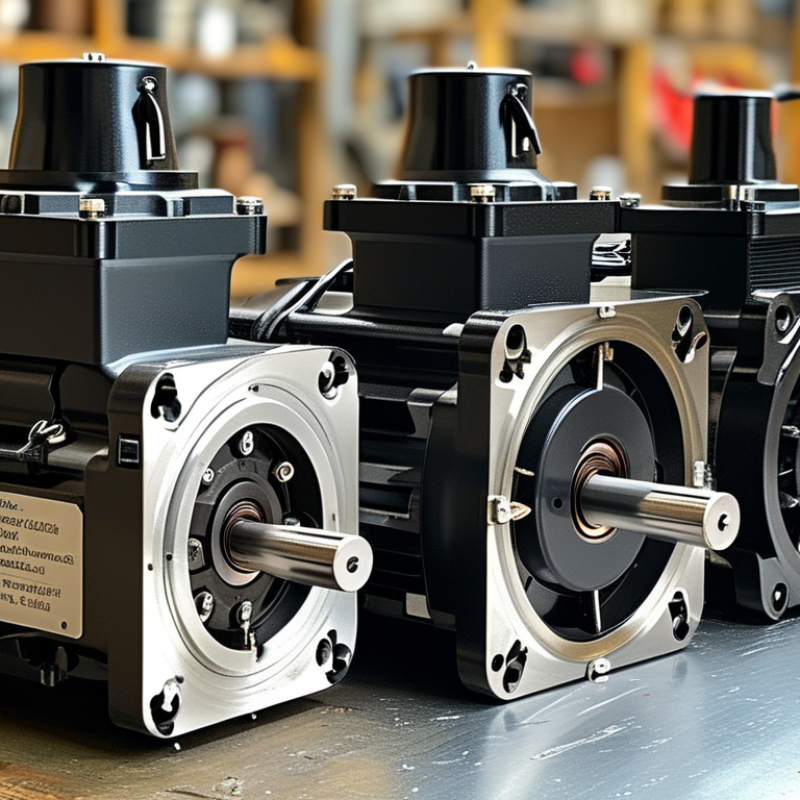
Torque is a crucial factor when selecting a high torque motor. It refers to the rotational force that a motor can produce. Understanding torque helps in ensuring that the motor can handle specific tasks efficiently. The required torque depends on your application, such as lifting, pushing, or rotating heavy loads. A motor with inadequate torque can lead to performance issues and potential equipment failure.
When selecting a motor, consider the load requirements. Calculate the torque needed for your application. This calculation will aid in choosing a suitable motor without underestimating its power. Never overlook the importance of matching the motor's torque with the demands of the task.
Tips: Always consult experts if you're unsure about your torque needs. They can provide valuable insights based on industry standards. Additionally, examine the motor specifications closely. Consider the peak and continuous torque ratings. This knowledge will enhance your selection process and prevent costly mistakes. Remember, the right motor can significantly improve your project efficiency.
When selecting a high torque motor, understanding your specific application is crucial. Begin by assessing the load requirements. How heavy are the objects this motor will move? This will impact the torque needed. Evaluate the speed at which you want the motor to operate. Lower speeds often require higher torque to achieve the desired performance.
Consider the environmental factors too. Will the motor face exposure to dust, moisture, or chemicals? These conditions may demand specific durability standards. The power source is another essential factor. Are you using AC or DC? Make sure the motor type aligns with your energy needs.
Lastly, think about the control methods. Do you need precise positioning capabilities? Some applications require high responsiveness and accuracy. Explore how the motor integrates with your system. Reflect on any previous experiences or recommendations that may shape your choice. It is essential to align your motor selection with both current requirements and future flexibility.
When selecting a high torque motor, understanding motor specifications is crucial. Voltage, speed, and torque ratings directly impact performance. The voltage rating determines the motor's power supply needs. A higher voltage can mean more power, but also requires careful consideration of your system. Verify that your electronics can handle the voltage safely.
Speed ratings are another critical factor. Motors are rated in revolutions per minute (RPM). Depending on your application, you may need a motor with high RPM for speed, or lower RPM for precise control. Sometimes, there’s a trade-off between speed and torque. High speed may reduce available torque, leading to potential issues in specific tasks.
Torque ratings measure a motor's rotational force. Consider the required torque for your application. A motor might have a high torque rating, but may not work well in your setup if its other specifications don’t match. Review your motor’s torque curve. Reflect on your requirements and avoid common pitfalls. An expert consultation can help navigate complex decisions in choosing the right motor for your needs.
When choosing a high torque motor, understanding the types available is crucial. High torque motors are commonly categorized into brushed and brushless motors. Brushed motors are often simpler and more affordable. They provide good torque at lower speeds, making them suitable for applications like toys and small machines. Brushless motors, on the other hand, are more efficient and require less maintenance. They excel in high-performance settings, offering superior longevity and torque control.
Tips: Consider the environment where the motor will be used. High humidity or dust can affect performance. Also, measure the space available for installation. Some motors are bulkier than others, which may limit your options.
Another aspect worth considering is power supply. Some motors may require specific voltage levels. This can impact compatibility with other components in your system. Evaluating your energy needs can help prevent issues later. When in doubt, seek expert advice to ensure you make informed decisions.
Choosing the right high torque motor requires careful consideration of cost, efficiency, and reliability. These factors greatly influence the motor’s performance and lifespan. A motor may seem cost-effective at first, but hidden costs can arise over time. It's essential to evaluate the total cost of ownership, including maintenance and energy consumption.
Efficiency is another critical aspect. A highly efficient motor can save energy and reduce operational costs. Look for motors that meet industry efficiency standards. This not only lowers your expenses but also enhances your environmental impact. Remember, an efficient motor often results in longer service life.
**Tips:** Test the motor under real operating conditions before making a decision. This helps identify potential issues early on. Additionally, consider the type of workload the motor will handle. Different applications require different torque levels, and selecting the right type can prevent performance issues or premature failure. Always consult with an expert if you’re unsure. They can provide insights based on real-world experiences.
| Motor Type | Cost ($) | Torque (Nm) | Efficiency (%) | Reliability (Hours) |
|---|---|---|---|---|
| Brushless DC Motor | 150 | 70 | 90 | 5000 |
| Stepper Motor | 120 | 50 | 80 | 3000 |
| AC Induction Motor | 200 | 90 | 85 | 10000 |
| Permanent Magnet Motor | 180 | 75 | 92 | 7000 |
| Synchronous Motor | 250 | 100 | 88 | 12000 |
: Torque refers to the rotational force a motor produces. It's crucial for effective performance.
It helps ensure the motor can handle specific tasks efficiently. Incorrect torque can lead to failure.
Assess your load requirements. Consider the weight and speed needs. This will guide your motor choice.
There are brushed and brushless motors. Each has unique characteristics affecting performance.
Dust, moisture, or chemicals can affect a motor's durability. Consider these before choosing a motor.
Identify if you need AC or DC power. The motor must align with your energy needs.
Focus on peak and continuous torque ratings. This knowledge aids in selecting the right motor.
Determine if you need precise positioning or high responsiveness. This influences motor integration.
Yes, reflecting on past experiences can shape your current decisions. Recommendations are valuable.
Consult with experts for insights based on industry standards. Avoid rushing into decisions; it's important to reflect.
Selecting the right High Torque Motor involves a comprehensive understanding of torque's significance in motor performance. Torque is crucial for applications requiring substantial force and velocity adjustments. Consequently, it’s essential to identify specific application requirements, which can guide you in making informed decisions about the necessary torque ratings and other motor specifications such as voltage and speed.
In addition, comparing the various types of High Torque Motors available in the market is critical for finding the most suitable option. Factors such as cost, efficiency, and reliability should also be analyzed to ensure the chosen motor meets long-term operational expectations. Careful evaluation of these elements will help ensure you select a High Torque Motor that aligns perfectly with your project’s needs and performance criteria.

AxisPro Motor