How to Choose a High Efficiency Motor in 2026?

Time:2026-10-03 Author:Madeline
0%

Choosing a High Efficiency Motor in 2026 requires more than comparing price tags or reading an IE rating. Electric motor systems consume roughly 53% of global electricity and about 72% of industrial electricity, according to the United Nations Environment Programme’s United for Efficiency (U4E) policy guidance. That scale makes motor selection an energy-management decision, not merely a purchasing task. The International Energy Agency also identifies industrial efficiency as a major route for reducing energy demand and operating costs.

Real machines rarely run at one constant load. A conveyor may start heavily, operate at partial capacity, and stop repeatedly. A pump may face seasonal flow changes. These details matter. A motor with excellent full-load efficiency can perform poorly if it is oversized or frequently throttled. Experience shows that the nameplate is only the beginning.

This guide examines efficiency classes under IEC 60034-30-1, rated power, duty cycle, starting torque, variable-frequency-drive compatibility, enclosure protection, cooling, and service conditions. It also considers lifecycle cost, because electricity often costs far more than the original motor purchase. U4E recommends evaluating motor systems as a complete installation, including controls, transmission, and driven equipment. That point is easy to overlook.

A practical decision should combine measured load data, verified manufacturer documentation, and local energy prices. Independent testing helps. Supplier claims still require scrutiny. A few assumptions may be wrong, especially when operating data is incomplete. Therefore, this guide presents a structured method for comparing High Efficiency Motor options in 2026, while recognizing that the most efficient specification on paper may not be the best choice in the field.
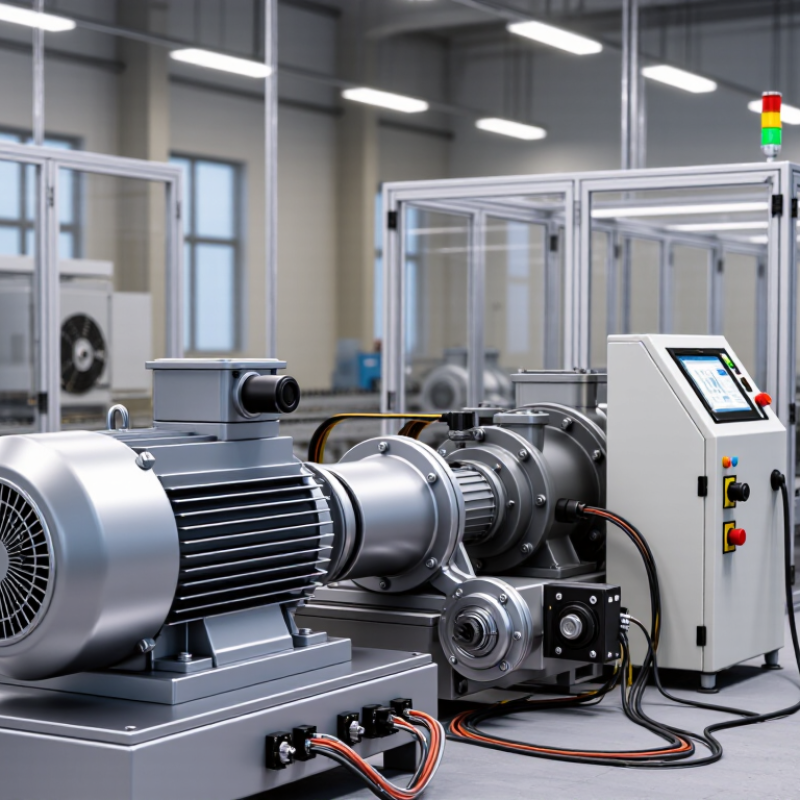
How to Choose a High Efficiency Motor in 2026?

Define High-Efficiency Motor Ratings and Performance Goals

Choosing a high-efficiency motor in 2026 starts with a clear rating target, not a higher number alone. IEC 60034-30-1 defines efficiency classes from IE1 to IE4 for many line-operated motors. IE4 usually delivers lower rated-load losses than IE3, but the label does not describe the entire drive system. Efficiency also changes with load, speed, voltage, temperature, and maintenance.

The IEA reports that motor-driven systems consume roughly half of global electricity. The U.S. Department of Energy also identifies motor systems as major industrial electricity users. These figures justify careful selection. Define the operating profile first. Record annual running hours, average load, start frequency, speed range, and required torque. Then set measurable goals, such as lower kWh per production unit, reduced heat, or a shorter payback period. Measure twice.

A motor rated IE4 may perform poorly if it is oversized and runs at 35% load. A properly matched IE3 motor can sometimes use less energy in real service. That detail is easy to miss. Ask for test conditions based on IEC methods, including rated voltage, frequency, and temperature. Check inverter compatibility when variable-speed control is required. Review full-load and partial-load efficiency curves, not one catalogue value. A spreadsheet can still mislead when standby time, harmonic losses, or poor alignment are ignored. Keep those uncertainties visible.

Match Motor Types to Load Requirements and Operating Conditions

How to Choose a High Efficiency Motor in 2026?

Motor selection should begin with the load, not the nameplate efficiency. The International Energy Agency estimates that electric motor systems consume about 53% of global electricity. Small mismatches can create large losses. Centrifugal pumps and fans usually need variable-torque motors. Their speed should follow demand. Conveyors and compressors often require steady torque during starting and acceleration. Machine tools may need constant power at higher speeds.

Induction motors remain practical for rugged, continuous-duty equipment. Synchronous reluctance motors can reduce rotor losses and suit variable-speed operation. Permanent-magnet motors may deliver high efficiency in compact packages, but engineers must examine temperature limits and control requirements.

The U.S. Department of Energy’s Motor System Market Assessment reports that motor systems use roughly 69% of industrial electricity in the United States. Efficiency class matters, but it is not the entire decision.

Check duty cycle, starts per hour, ambient temperature, altitude, enclosure, and harmonic exposure. A variable-frequency drive can improve control, yet poor settings may increase heating. IEC 60034-30-1 provides a common framework for motor efficiency classes, supporting fair comparisons across suppliers.

Site measurements are valuable. A spreadsheet can still be wrong. Measure current, speed, load, and operating hours before replacing a motor. Oversizing feels safe, but it may reduce efficiency during lightly loaded periods. Smaller is not always better. Review the actual load profile, including quiet hours and sudden peaks.

(Sources: IEA, Energy Efficiency; U.S. DOE, Motor System Market Assessment; IEC 60034-30-1.)

Compare Energy Use, Control Systems, and Total Ownership Costs

How to Choose a High Efficiency Motor in 2026?

A high-efficiency motor should be judged by operating data, not its purchase price. The International Energy Agency reports that electric motor systems consume roughly half of global electricity. In industrial facilities, the U.S. Department of Energy estimates motor-driven equipment uses about 70% of electricity. These figures make efficiency a financial issue, not merely an environmental preference.

Start with the real load profile. A motor running below 50% load may waste energy, even with an excellent efficiency rating. Variable-speed control can reduce consumption in pumps and fans because power demand falls sharply at lower speeds. However, savings depend on duty cycles, pressure requirements, and control settings. The U.S. Department of Energy’s Motor Systems sourcebook warns that energy costs can dominate lifetime ownership costs. A larger motor is not automatically safer.

Look beyond the nameplate. Request tested efficiency at 25%, 50%, 75%, and 100% load, plus losses from the drive and cables. IEC 60034-30-1 efficiency classes provide a useful comparison framework, but they do not replace site measurements. Maintenance records matter too. Misalignment, blocked ventilation, and poor power quality quietly increase losses. The estimate may be imperfect. Measure before replacing. A simple clamp-meter survey, run-hour log, and electricity tariff can expose the cheapest improvement. Payback should include installation, controls, downtime, maintenance, and future energy prices—not only the motor invoice.

How to Choose a High-Efficiency Motor in 2026?

Compare Energy Use, Control Systems, and Total Ownership Costs

Illustrative 10-year comparison for a 30 kW motor operating 4,000 hours per year at an electricity price of $0.12/kWh. The IE2 motor uses direct-on-line control, while IE3 and IE4 motors use variable-frequency drives for a variable-speed duty profile. Energy savings depend on the actual load cycle, speed requirements, drive losses, installation cost, and maintenance conditions.

Verify Standards, Certifications, Installation Needs, and Maintenance

How to Choose a High Efficiency Motor in 2026?

A high-efficiency motor should match verified standards, not just a sales claim. Check the efficiency class, rated output, voltage, frequency, and operating duty. Standards such as IEC 60034 can help compare tested performance. However, regional requirements may differ, so confirm the rules for your installation site. Request a valid certificate, test report, and product identification details. The documents should match the exact motor model, not a similar-looking version.

Tips: Measure the load before choosing. A motor running far below its rated load can waste energy. Confirm the enclosure rating, cooling method, shaft size, and mounting position. In a dusty workshop, inadequate protection may shorten service life. Leave enough space around the motor for airflow. Check cable size, grounding, overload protection, and compatible control equipment with a qualified electrician.

Maintenance often decides whether efficiency lasts. Record vibration, temperature, current, and noise during normal operation. A hot bearing or rising current may reveal alignment problems. Clean cooling passages before dust forms a thick layer. Lubricate only according to the documented interval and lubricant specification. I once treated a small vibration as harmless; it later caused uneven wear. That mistake was avoidable. Inspection records should include dates, readings, repairs, and changing operating conditions. Some recommendations remain uncertain without real load data, so review the choice after installation.

Select the Motor That Delivers Reliable Lifetime Efficiency

How to Choose a High Efficiency Motor in 2026?

Select the Motor That Delivers Reliable Lifetime Efficiency

A high efficiency motor should save energy throughout its working life, not only on its datasheet. Start with the real load profile. Record running hours, starting frequency, speed changes, and seasonal demand. A motor operating near its efficient load range usually performs better than an oversized model. Oversizing is a common and expensive mistake.

Check the motor’s efficiency class against recognized testing standards. Then examine power factor, temperature rise, insulation quality, bearing design, and enclosure protection. These details affect losses, maintenance, and service life. In a dusty workshop, for example, poor cooling can reduce efficiency long before the motor stops. Measure the installation space carefully. Small errors can create large alignment problems.

Variable-speed applications need extra attention. Confirm compatibility with the drive, cable length, cooling method, and low-speed torque requirements. Review the expected lifecycle cost, including electricity, inspections, replacement parts, and downtime.

I once focused too heavily on purchase price and underestimated maintenance access. The decision looked efficient, but it was not.

Leave room for uncertainty. Actual loads often differ from planning documents. Choose a motor supported by clear technical data, traceable test results, and practical service guidance. Reliable efficiency is built through correct selection, installation, monitoring, and honest review.

FAQS

What should guide motor selection?

Start with the actual load, not only the efficiency label. Record speed, torque, running hours, and starting frequency. The nameplate is not enough.

Which motor type suits pumps and fans?

Pumps and fans usually need variable-torque operation. Their speed should follow changing demand. Running too fast wastes energy.

What motor characteristics suit conveyors and compressors?

Conveyors and compressors often need steady torque during starting and acceleration. Check starting current and acceleration time. Small details matter.

Can an oversized motor reduce efficiency?

Yes. An oversized motor may run lightly loaded for long periods. That can increase losses and reduce practical efficiency. Bigger is not always better.

What site conditions should engineers check?

Review duty cycle, starts per hour, temperature, altitude, enclosure, and dust exposure. Also examine harmonics and cooling conditions. The workshop environment matters.

How should variable-speed applications be evaluated?

Confirm drive compatibility, cable length, cooling, and low-speed torque. Poor settings can increase heating. Measure actual temperature.

Which measurements should be taken before replacing a motor?

Measure current, speed, load, and operating hours at different times. Include quiet periods and sudden production peaks. Measure before replacing.

What should lifetime efficiency include?

Consider electricity, inspections, spare parts, maintenance access, and downtime. A low purchase price may hide higher service costs. I once underestimated access problems. The choice looked efficient, but it was not.

How can installation affect motor efficiency?

Check alignment, available space, insulation, bearings, and enclosure protection. A few millimeters of error can create vibration and extra losses. Installation is easy to overlook.

What makes motor efficiency information trustworthy?

Look for clear technical data, traceable test results, and realistic load assumptions. A spreadsheet may still mislead you. Review the numbers honestly.

Conclusion

Choosing a High Efficiency Motor in 2026 requires more than comparing rated efficiency percentages. Start by defining the motor’s performance goals, including required power, speed, torque, duty cycle, starting conditions, and expected operating hours. Then match the motor type and enclosure to the application’s load profile and environment, considering variable loads, frequent starts, temperature, dust, moisture, and available space.

A complete evaluation should compare energy consumption, control options, compatibility with variable-speed drives, purchase price, installation requirements, and long-term maintenance costs. Verify that the motor meets relevant efficiency standards and carries appropriate certifications for the intended operating environment. Correct sizing, alignment, ventilation, wiring, and protection settings are also essential for achieving expected performance. Finally, consider serviceability, monitoring, spare parts, and reliability over the motor’s full life cycle. The best choice is the motor that combines dependable operation, efficient energy use, practical installation, and the lowest total ownership cost.

Madeline

Madeline

Madeline is a dedicated marketing professional with a wealth of expertise in our company's core offerings. With a keen understanding of the industry, she brings a unique perspective to her role, consistently delivering high-quality content that highlights the superior aspects of our products. As......