In the manufacturing sector, the use of pneumatic cylinders has gained significant traction. According to John Smith, a leading expert in pneumatic systems, "Pneumatic cylinders enhance efficiency and precision." This statement encapsulates why many businesses are adopting this technology.
Pneumatic cylinders offer various benefits, including speed, reliability, and the ability to handle heavy loads. They operate on the principle of compressed air, making them an eco-friendly option. However, potential users should consider the operational costs and maintenance needs. These aspects could affect long-term savings and machine performance.
Despite their advantages, misconceptions linger. Some industries hesitate to adopt pneumatic technology due to perceived complexities. Understanding the true capabilities of pneumatic cylinders is essential for informed decision-making. Embracing this technology could unlock substantial operational benefits.
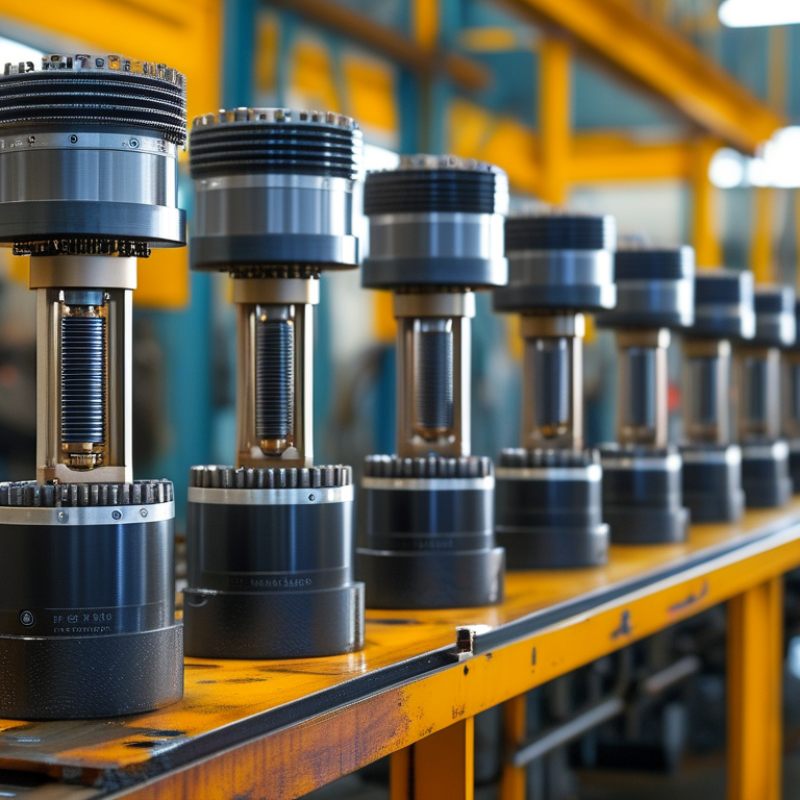
Understanding Pneumatic Cylinders and Their Mechanism
Pneumatic cylinders operate by converting
compressed air into mechanical energy. They are essential in many industries, offering precise motion control. When air is compressed, it builds pressure that pushes a
piston within the cylinder. This movement generates linear force, enabling machines to perform various tasks.
Understanding the mechanism of pneumatic cylinders is crucial for their effective use. The design includes seals that prevent air leaks, ensuring efficiency.
Choosing the right cylinder can impact productivity. If the wrong size is selected, it might not generate enough force, leading to underperformance.
Regular maintenance checks are also vital. Neglecting them can lead to malfunction, resulting in downtime and increased costs.
Moreover, the responsiveness of pneumatic systems varies. They act quickly, but the speed depends on the air supply. If the supply is inconsistent, performance may falter. This can be frustrating for operators relying on
timely actions. Balancing speed and force needs careful consideration. While the technology is efficient, users must weigh benefits against potential limitations.
Improved Efficiency and Productivity in Operations
Pneumatic cylinders offer a significant boost to efficiency and productivity in various business operations. Their ability to deliver reliable and consistent power makes them essential in many industrial applications. When you switch to pneumatic systems, you often see quicker response times and reduced cycle times, which can enhance overall output. These systems also work efficiently in harsh environments, providing durability where electric systems may fail.
Tips for improving efficiency with pneumatic cylinders include regular maintenance. Ensure that air filters are clean and check for leaks frequently. A minor leak can lead to a substantial loss in efficiency. Another tip is to evaluate the sizing of your cylinders. An improperly sized cylinder can lead to wasted energy and slower operation.
Training staff on the best practices for operating pneumatic systems can further enhance productivity. Empowering your team to understand the nuances of these systems leads to fewer errors. Encourage them to watch for inconsistencies in performance, which could indicate a need for adjustments or maintenance. Small improvements can lead to big gains in efficiency.
Cost-Effectiveness and Maintenance Advantages
Pneumatic cylinders are gaining attention for their cost-effectiveness in various industries. They are often cheaper to operate compared to electric or hydraulic systems. This is largely due to their simpler design and lower energy consumption in many applications. Businesses can benefit from reduced electricity bills, leading to substantial savings over time.
Maintaining these cylinders is typically less complex, as they have fewer moving parts. This means lower maintenance costs and fewer operational disruptions. Regular checks are easy to perform, helping to extend the lifespan of the equipment. However, neglecting routine maintenance can lead to unexpected breakdowns. Businesses must find the right balance between cost savings and regular upkeep.
Using pneumatic cylinders may seem straightforward, but learning about proper usage is crucial. Understanding the specific needs of your operation can prevent costly mistakes. Additionally, businesses should evaluate whether the current setup maximizes efficiency. Inadequate configurations could result in wasted resources. Adapting systems based on thorough analysis can enhance overall performance and profitability.
Enhanced Safety Features in Automated Systems
Pneumatic cylinders significantly enhance the safety features of automated systems. They operate smoothly, reducing the risk of sudden movements. This smooth operation minimizes the potential for accidents, making workplaces safer. Strong safety measures prevent injuries during machine operations, benefiting both operators and machines alike.
These cylinders are designed with safety in mind. They often include fail-safe mechanisms that stop movement in case of power loss. This feature protects employees from unexpected machine behavior. Moreover, they can be integrated with sensors that monitor system performance in real-time. These sensors can trigger alarms or halt operations if a malfunction is detected.
However, it’s essential to consider maintenance. Regular upkeep ensures safety features remain effective. Neglecting maintenance can lead to failures in these crucial systems. Some businesses may overlook this aspect, assuming that pneumatic systems are inherently safe. Understanding and prioritizing maintenance is vital for maximizing safety benefits.
Versatility and Adaptability Across Industries
Pneumatic cylinders have emerged as vital components across a range of industries, thanks to their versatility and adaptability. In manufacturing, they provide reliable force for tasks like lifting, pushing, and positioning. According to the Compressed Air and Gas Institute, the global pneumatic cylinder market is expected to grow at a CAGR of 4.5% from 2021 to 2026. This growth highlights how companies are increasingly reliant on these tools to enhance productivity and efficiency.
In the automotive sector, pneumatic cylinders play a crucial role in assembly lines. They are commonly used for clamping and actuating various machinery. A study by Research and Markets noted that pneumatic actuators are preferred due to their speed and energy efficiency. Businesses utilize these systems for both large-scale operations and small-scale setups. However, over-reliance on a single type of actuation can lead to challenges in flexibility. It raises questions about the need for a diversified approach in automating processes.
Food and packaging industries also benefit significantly from pneumatic systems. They ensure hygienic operations while facilitating quick transitions between tasks. This adaptability often translates into faster production times. However, maintenance is essential. Regular checks are necessary to avoid performance drops. As companies embrace automation, the need to understand the limitations of pneumatic cylinders becomes evident. Balancing their use with other technologies may lead to more optimized outcomes.
Top 10 Benefits of Using Pneumatic Cylinders for Your Business
| Benefit |
Description |
Industry Applications |
| Versatility |
Can be used in various applications, from manufacturing to packaging. |
Manufacturing, Automotive, Food Processing |
| Speed |
Faster operation compared to electric systems, enhancing productivity. |
Manufacturing, Robotics, Assembly Lines |
| Cost-Effectiveness |
Lower initial costs and maintenance expenses compared to electric systems. |
General Industry, Construction, Material Handling |
| Simplicity |
Simple design leads to easier installation and operation. |
Packaging, Automation, Textile |
| Safety |
Fewer moving parts reduce the risk of accidents and injuries. |
Construction, Automotive, Mining |
| Precision |
Allows for high levels of control and precision in applications. |
Manufacturing, Robotics, Aerospace |
| Durability |
Designed to withstand harsh working conditions and environments. |
Construction, Agriculture, Mining |
| Environmental Friendliness |
Operating on compressed air reduces environmental impact. |
Food Processing, Pharmaceuticals, Paints |
| Adaptability |
Can be easily integrated with existing systems for enhanced functionality. |
Manufacturing, Packaging, Automation |
FAQS
: Pneumatic cylinders enhance efficiency and productivity, offering reliable power and faster response times in various applications.
Regular maintenance, like cleaning air filters and checking for leaks, is essential. Even a small leak can greatly affect efficiency.
Improperly sized cylinders can waste energy and slow down operations, leading to inefficiencies in the system.
Training staff on best practices reduces errors and helps them notice performance issues, leading to better overall efficiency.
They typically have lower operating costs than electric or hydraulic systems due to simpler designs and reduced energy consumption.
They generally have fewer moving parts, which means lower maintenance costs and less frequent operational disruptions.
Neglected maintenance can lead to unexpected breakdowns, which impact productivity and increase costs.
Evaluating the current setup and making adjustments based on specific operational needs can prevent waste and enhance performance.
While they seem straightforward, proper usage understanding is crucial to avoid costly mistakes and inefficiencies.
Rushing into setups without thorough analysis can waste resources. A careful approach is necessary for maximizing efficiency.
Conclusion
Pneumatic cylinders play a pivotal role in enhancing business operations across various industries. By utilizing compressed air to produce linear motion, these cylinders significantly improve efficiency and productivity. Their straightforward mechanism allows for quick deployment and minimal downtime, making them a cost-effective solution for businesses looking to streamline operations. Additionally, pneumatic cylinders require less maintenance compared to other systems, further contributing to overall cost savings.
Another essential benefit of pneumatic cylinders is their enhanced safety features in automated systems. Designed to operate with high precision, they help minimize risks associated with heavy machinery. Furthermore, their versatility makes them adaptable to a wide range of applications, from manufacturing to packaging. In summary, incorporating pneumatic cylinders into business processes not only boosts efficiency but also ensures greater safety and adaptability in varying industrial environments.

 AxisPro Motor